
The United States has imposed sanctions on Banco Internacional de Comercio S.A. (BICSA), a bank owned by the Cuban state, accusing it of providing services to a sanctioned Iranian lender.
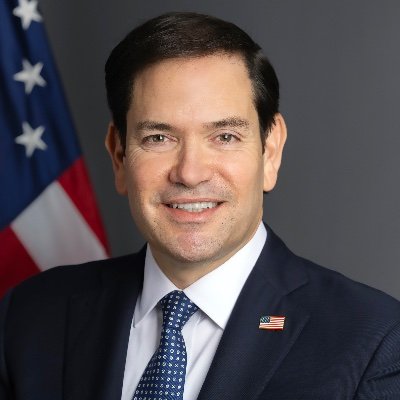
Secretary of State Marco Rubio announced the measure on 15 October 2026, saying BICSA had worked with Iran’s Karafarin Bank since at least 2022. Washington sanctioned Karafarin Bank in 2020 under Executive Order 13902. The action against BICSA was taken alongside a separate Treasury move targeting Iranian financial actors, and was made under Executive Order 14404 on the grounds that the bank operates in the financial services sector of the Cuban economy.
Mr Rubio said President Trump had been “absolutely clear” that his administration would not tolerate terrorism, organised crime or foreign powers spreading anti American influence in the region. He accused Havana of allowing the island to serve as an outpost for hostile actors, naming Iran as the world’s leading state sponsor of terrorism.
“The Trump Administration will not tolerate a rogue state hosting hostile foreign military, intelligence and terror operations less than a hundred miles from the American homeland,” he said, adding that the United States would continue to identify and dismantle the Cuban government’s financial and security ties with Iran and other hostile states.
Sanctioning Cuban State-Owned Banco Internacional de Comercio, S.A. (BICSA)
Executive Order 14404, signed on 1 May 2026, allows sweeping sanctions on Cuba, including against those who support its security services or are responsible for repression on the island. The State Department said the latest action also advanced an earlier order addressing threats from the Cuban government, as well as a presidential memorandum aimed at promoting human rights, the rule of law, free enterprise and democracy in Cuba.
Under the sanctions, any of BICSA’s property or interests held in the United States, or controlled by American persons, are frozen and must be reported to the Treasury’s Office of Foreign Assets Control. Any company owned 50 per cent or more by blocked persons is also blocked. Americans are barred from dealing with the bank unless authorised or exempt.
The measures also carry a warning for foreign institutions. Overseas firms that trade with parties sanctioned under the order, or that operate in Cuba’s energy, defence, metals and mining, financial services or security sectors, could face sanctions themselves. Foreign banks were urged to proceed with caution, and moving assets back to a sanctioned party or to another jurisdiction for its use could expose them to significant risk.
The State Department stressed that sanctions can be lifted in line with the law, saying their ultimate aim was not to punish but to bring about a positive change in behaviour.
By A.Ikechukwu
- US Supreme Court to Consider Whether Cooking for Nigerian Separatists Counts as Material Support for Terrorism
- US Sanctions Cuban State Bank Over Links to Iran
- Lagos Court Sentences Man to Three Years for Facebook Impersonation in Currency Fraud
- NBA President Constitutes Committee to Probe ₦100 Million Imo Gift to Owerri Branch
- Tinubu’s Campaign Opt Out: The Governance Excuse That Masks Fitness Concerns Ahead of 2027


