
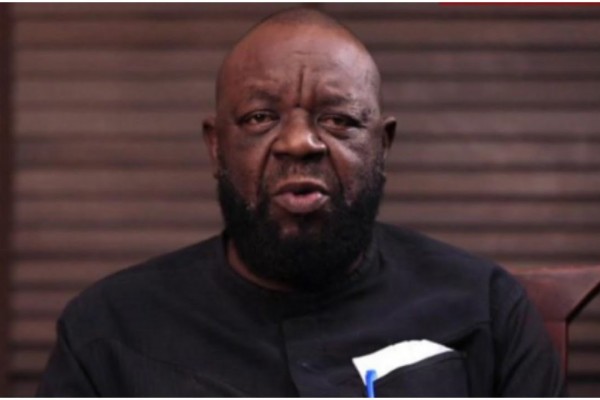
Aloy Ejimakor has called for the 2027 Nigerian ballot to include three constitutional options that address the structure of the country, rather than limiting the vote to the choice of leaders alone.
In an opinion piece, Ejimakor argues that Nigerian elections have for far too long reduced the national conversation to a contest of personalities. They ask who will govern, he writes, but not how the people consent to be governed. The foundational political question remains unresolved, and until the people are allowed to answer it directly, every election will only recycle the same crisis and the same failed system.
For this reason, he proposes that the 2027 ballot, alongside the presidential and legislative columns, must include three clear check boxes. The first option would allow Nigeria to remain one country but restructured as a confederation. The second would permit a split into autonomous regions. The third would enable any geopolitical zone that desires to become a separate nation to decide so through a vote.
Ejimakor states that this is not a radical proposal. It is the standard democratic practice across the world. Canada has twice allowed Quebec to vote on independence, in 1980 and 1995, and Alberta is currently debating a referendum on separation because the country accepts that constitutional loyalty must be renewed by consent, not decreed by the centre. Switzerland permitted the Jura region to secede from Bern through a referendum in 1974, creating a new canton within the confederation. Greenland voted in 2008 to expand its autonomy from Denmark. Bougainville voted overwhelmingly for independence from Papua New Guinea in 2019. Scotland held a binding referendum on independence in 2014, and the United Kingdom has used referendums to settle devolution and constitutional status in Scotland, Wales and Northern Ireland. South Sudan voted to become a separate nation in 2011, and Montenegro did the same in 2006.
These nations, he notes, are not weak or failed states. They are democracies that understood a simple principle: a referendum does not predetermine the answer; it allows the people to give the answer.
Excluding these options from the 2027 ballot, Ejimakor warns, does not make the questions disappear. It only guarantees that they will some day be answered outside the ballot box, and that will be chaotic. Including them costs nothing and settles everything. Let the people vote on what Nigeria should be, he concludes, not just who should run it.
By John James
- Ukrainian President Holds Talks with American Envoys on Efforts to Secure Peace
- Ejimakor Calls for Constitutional Questions on the 2027 Ballot
- Peter Obi Calls Building a New Nigeria a Collective Duty After Manchester Meeting
- NDC candidate accuses APC of plot to exclude party from 2027 Surulere 1 ballot
- Okwu Kanu Family Calls on Britain to Act for Detained Citizen Nnamdi Kanu


