
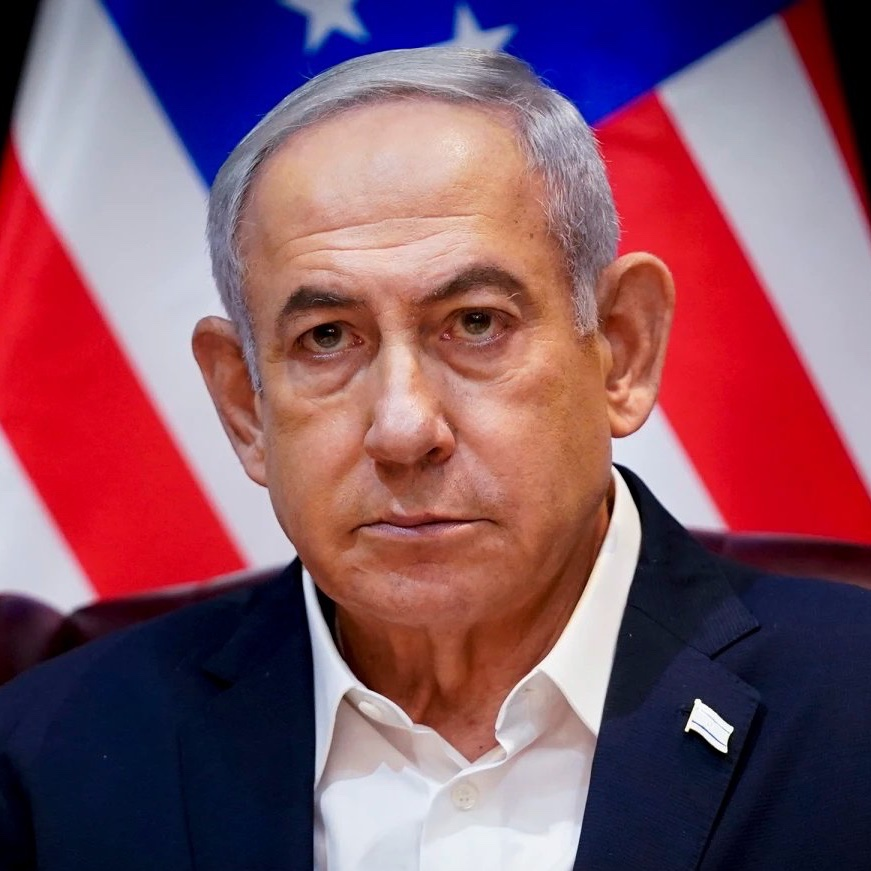
Israelis are casting ballots today in a closely contested parliamentary election that will determine whether Prime Minister Benjamin Netanyahu remains in power or yields to an opposition challenge led by former military chief Gadi Eisenkot. Polling stations opened at 7 am local time and are scheduled to close at 10 pm, with exit polls from the main television channels expected shortly afterwards.
By noon, nationwide turnout had reached 31.5 per cent, the highest figure recorded at that hour since the 1973 election. More than 2.3 million of the roughly 7.3 million eligible voters had already participated, according to the Central Elections Committee. Officials indicated that stations may remain open beyond the formal closing time if queues persist, reflecting strong public engagement in the first national vote since the Hamas led attacks of 7 October 2023.
Final opinion surveys, published last Friday under Israeli law that prohibits polling in the immediate run up to the election, pointed to a tight race with neither main political camp assured of a majority. Eisenkot’s Yashar party was projected to finish as the largest single list, with 22 or 23 seats in the 120 member Knesset. Netanyahu’s Likud was placed second on 19 to 21 seats. Naftali Bennett’s Together party ranked third with around 14 or 15 seats.
Across the main surveys, Netanyahu’s right wing and religious allies were credited with 48 to 50 seats. The opposing camp, centred on Eisenkot and excluding most Arab parties, was estimated at 52 to 56 seats. Arab parties were projected to win 14 to 16 seats combined. Neither bloc reached the 61 seats required to form a government on its own, raising the prospect of lengthy coalition negotiations or even a further election. Small parties hovering near the 3.25 per cent electoral threshold could prove decisive once results are known.
The contest is widely viewed as a referendum on Netanyahu’s leadership through years of conflict and domestic division. Eisenkot has emphasised accountability for the failures that preceded the October 2023 attacks, while Netanyahu has campaigned on security credentials and warnings about opposition reliance on Arab parties. Direct comparisons in the final polls often showed Eisenkot ahead of Netanyahu on the question of suitability for the premiership, though both camps fell short of a clear path to power.
Official results will emerge gradually through the night and into the following days, with certified figures expected early next month. In the meantime, attention remains focused on turnout levels and the first exit polls after voting ends. The outcome will shape Israel’s next government and its approach to unresolved security challenges, internal reforms, and international relations.
By John James
- EFCC Arrests 21 Suspected Cybercrime Fraudsters in Lekki Sting Operation
- US Embassy Abuja Issues Health Alert as Nigeria Restarts Ebola Screening at Ports of Entry
- Akinade Adedeji Raheem Extradited from Benin to Face US Charges in Alleged $100 Million Tax Refund Fraud
- Voting Under Way in Israel as High Turnout Marks First Election Since October Attacks
- Adetunji Abudu Arrested at Boston Airport and Ordered Detained on Money Laundering Conspiracy Charges


