
28 October 2025
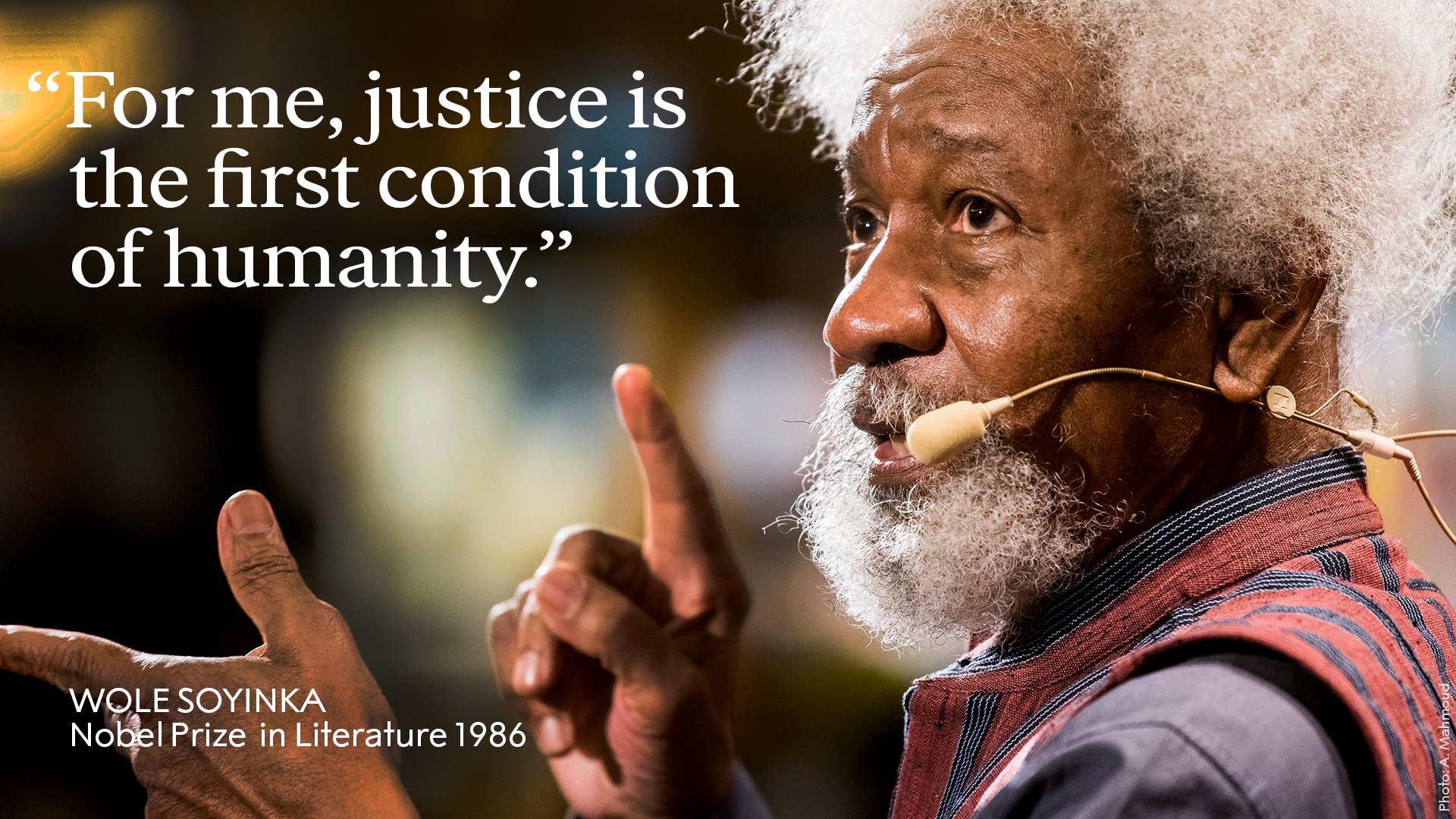
Nobel Laureate Professor Wole Soyinka has revealed that his United States visa has been permanently revoked, a move he attributes to his longstanding criticism of President Donald Trump’s policies. The renowned Nigerian playwright and author made the announcement during a media briefing in Lagos, expressing surprise but maintaining a defiant stance.
According to Soyinka, he received a letter from the US Consulate dated 23 October 2025, informing him of the revocation of his B1/B2 non-immigrant visa, which was issued in April 2024. The letter stated: “This letter serves as official notification of the United States Consulate that the non-immigrant visa listed below has been revoked in pursuant to the Department of State Regulations 22 CFR 41.122 and is no longer valid for application into the United States.”
Soyinka linked the decision to his refusal to attend a visa revalidation interview requested by the US Consulate earlier this year. He described the invitation as unnecessary and chose not to honour it, leading to the permanent cancellation. “If they wish to cancel it, that is their business,” Soyinka remarked. “I will not go there to help them do it.”
The 91-year-old literature Nobel Prize winner, known for his outspoken views on global injustice, emphasised that he harbours no resentment. “I will continue to welcome any American to my home if they have anything legitimate to do with me,” he said.
This development appears rooted in Soyinka’s previous actions. In 2016, following Donald Trump’s election victory, Soyinka publicly tore up his US green card in protest against what he perceived as divisive and discriminatory leadership. Since then, he has travelled to the US on a temporary visa. Soyinka has previously referred to Trump as a “White Idi Amin,” drawing parallels to the infamous Ugandan dictator.
During the briefing, Soyinka recounted two minor past encounters with US authorities to underscore that he has no criminal record. In one incident years ago, he was fined $25 at a US airport for failing to declare chilli peppers brought from London, which he dismissed as a harmless oversight. Another occurred in the 1970s at Chicago Airport, where he challenged a racist remark by an immigration officer, leading to a brief confrontation resolved with the help of the late Chief Emeka Anyaoku. “These were simply misunderstandings that could happen to anyone,” Soyinka noted.
The revocation has sparked reactions in Nigeria, with some viewing it as retaliation for Soyinka’s criticisms. However, international media outlets have yet to widely report on the matter, and no official statement has been issued by the US State Department confirming the reasons behind the decision.
Soyinka, the first African to win the Nobel Prize in Literature in 1986, urged continued resistance against prejudice. “Silence in the face of prejudice is as dangerous as the act itself,” he warned.
This incident highlights ongoing diplomatic frictions and raises questions about freedom of expression for global figures critical of US policies.


