
Abuja
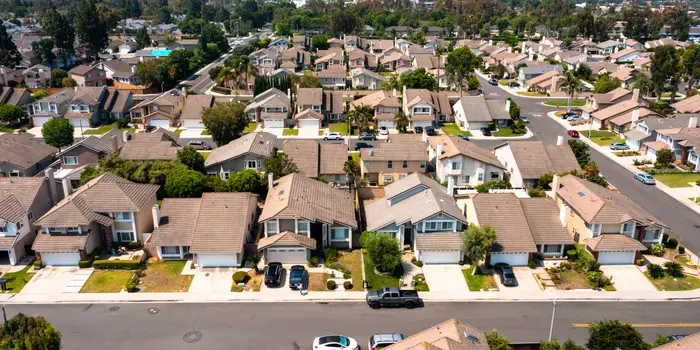
An investigation published on Tuesday has linked 61 current and former Nigerian officials to 284 properties in the United States worth nearly $271 million, or about 370 billion naira.
The report by the Platform to Protect Whistleblowers in Africa (PPLAAF), produced with the Anti-Corruption Data Collective, found that 152 of those properties, valued at about $177 million, were bought while the officials still held public office. The purchases date from 1991 onwards.
Thirty-nine of the 61 people named have already been publicly accused, charged or sentenced for corruption. Most of the others come from institutions with a long record of graft allegations since Nigeria returned to civilian rule in 1999.
Jimmy Kande, PPLAAF’s executive director, said: “At an unprecedented scale, these findings expose the failings of individual officials and the structural gaps that allow stolen public wealth to cross borders and settle quietly into foreign real estate. The purchases, transfers and sales documented here could amount to international money laundering and must be investigated as such. Nigerian and American authorities must work together to ensure these assets are returned to the people they were taken from.”
The inquiry maps how political wealth moved from Nigerian public institutions and high-risk sectors, through politically exposed persons, companies, spouses and intermediaries, and into the American property market. It describes recurring patterns of rapid and unexplained enrichment, widespread use of intermediaries to hide ownership, and weaknesses in both Nigerian oversight bodies and the United States anti-money-laundering system.
Officials and their spouses most often bought properties in their own names during the officials’ time in office. Some 81 per cent of the properties, by both number and value, were acquired with no visible source of finance such as a mortgage. Investigators also identified a small number of high-value and suspicious deals in areas covered by the US Treasury’s Geographic Targeting Orders, which impose extra reporting on certain higher-risk residential purchases involving companies.
Olanrewaju Suraju, chairman of the Human and Environmental Development Agenda, said: “Every property listed in this report is a public service that was never delivered: a road not built, a clinic not staffed, a school without books. Nigeria has the tools to fight corruption. What it has lacked is the political will to follow the money wherever it leads, including across the Atlantic.”
The properties identified are only the tip of the iceberg, the report says. They stand for schools not built, hospitals left without staff and a power grid that cannot keep the lights on: the everyday cost of corruption paid by ordinary Nigerians for decades.
PPLAAF called on Nigerian and American authorities to open or expand formal investigations into the assets and transactions listed, examine the source of the funds used to buy them, strengthen co-operation between the two countries’ financial crime and law-enforcement agencies, take lawful steps to stop assets being sold off while cases proceed, and create clear mechanisms for recovering and returning any wealth shown to have been stolen from the public.
PPLAAF is a non-governmental organisation founded in 2017 to protect whistleblowers in Africa, campaign on their behalf and bring strategic legal cases when their disclosures affect the public interest of African citizens.
By John James


