
London, 20 September 2026
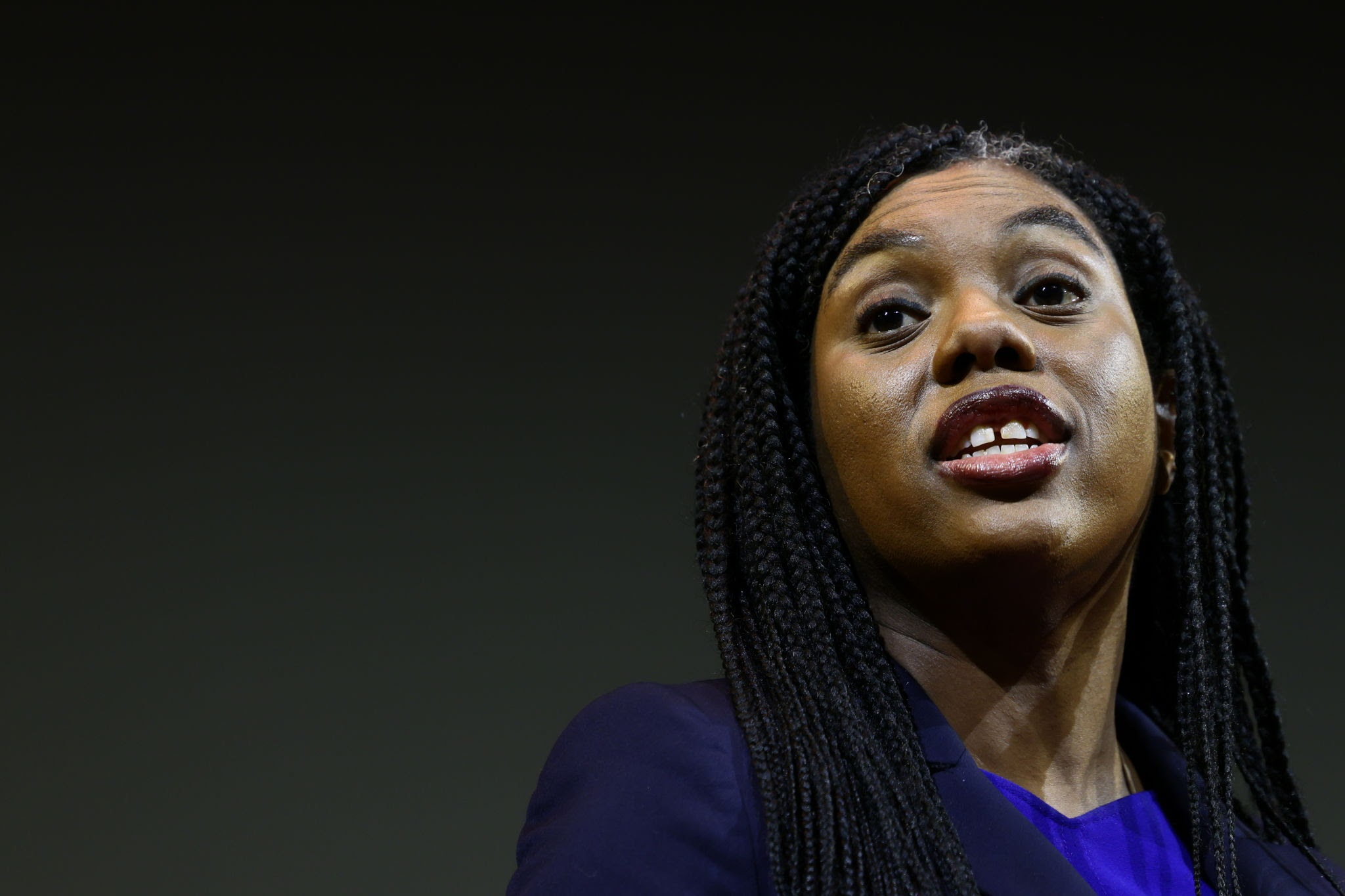
Kemi Badenoch has accused the Prime Minister and his Cabinet of burying their heads in the sand as fresh disruption to Middle East oil supplies raises the prospect of another price shock for Britain.
The Conservative leader said on X on Sunday that Saudi Arabia’s east to west oil pipeline had been damaged by drone attacks, that the Strait of Hormuz was restricted, and that Houthi militants were threatening shipping routes into the Red Sea.
“Another oil shock is coming,” she wrote. “Yet our Prime Minister and his Cabinet are behaving like a flock of ostriches, heads buried so deep in the sand they could strike oil themselves. The answer is simple: drill our own oil and gas in the North Sea.”
The warning comes ten days after drones launched from Iraq struck pumping stations on the 1200 kilometre line that carries Saudi crude from fields near the Gulf to the Red Sea port of Yanbu. Riyadh shut the pipeline as a precaution after fires and injuries were reported. The route has become a wartime artery because tanker traffic through the Strait of Hormuz has been sharply constrained by the conflict with Iran.
The line has recently been moving around four to five per cent of global oil supply. Brent crude jumped above 100 dollars a barrel after the strikes and has stayed high. Repair teams have spoken of restoring some flow within days, but a full return could take several weeks.
Pressure on seaborne trade has grown at the same time. Houthi forces have tightened their hold on parts of Yemen’s Red Sea coast, adding risk to tankers leaving Yanbu and heading towards the Bab el Mandeb strait, a choke point between the Red Sea and the Indian Ocean.
Mrs Badenoch has made North Sea production a central dividing line with Labour. She wants the Government to approve new developments, above all the Jackdaw gas field east of Aberdeen and the Rosebank oil field west of Shetland. Earlier permissions for both were quashed in the Scottish courts, and fresh decisions have been delayed.
Industry figures have stepped up the pressure this weekend. Sir Jim Ratcliffe said it was “insanity” to block further investment and warned that Britain could run short of gas this winter. Offshore Energies UK has argued that approvals and tax changes could unlock more than 100 projects and tens of billions of pounds of investment. Scottish Labour leader Michael Marra has also called for both fields to be cleared.
Downing Street has promised a more pragmatic approach than under Sir Keir Starmer, but a decision on Jackdaw is now widely expected only after the Holborn and St Pancras by election. Ministers say fuel supplies to the United Kingdom have remained resilient since the wider Middle East war began and that they are watching the Saudi shutdown closely.
Climate campaigners and hundreds of scientists have urged Andy Burnham to reject Rosebank, arguing that a new oil field would lock in emissions and clash with the country’s climate duties. The Government says any decision must meet legal and climate tests and that the long term answer is a clean energy transition.
Mrs Badenoch rejects that timetable. She says Britain already imports a large share of the oil and gas it burns, often from less stable regions, and that leaving domestic reserves in the ground while prices spike is economic folly. In her telling, drilling at home is not only an industrial choice but a question of energy security, financial security and national security.
Whether that argument shifts the Cabinet will become clearer after conference season. For now the Conservative leader’s charge is blunt: ministers can see the shock coming and are still looking the other way.
By John James


