
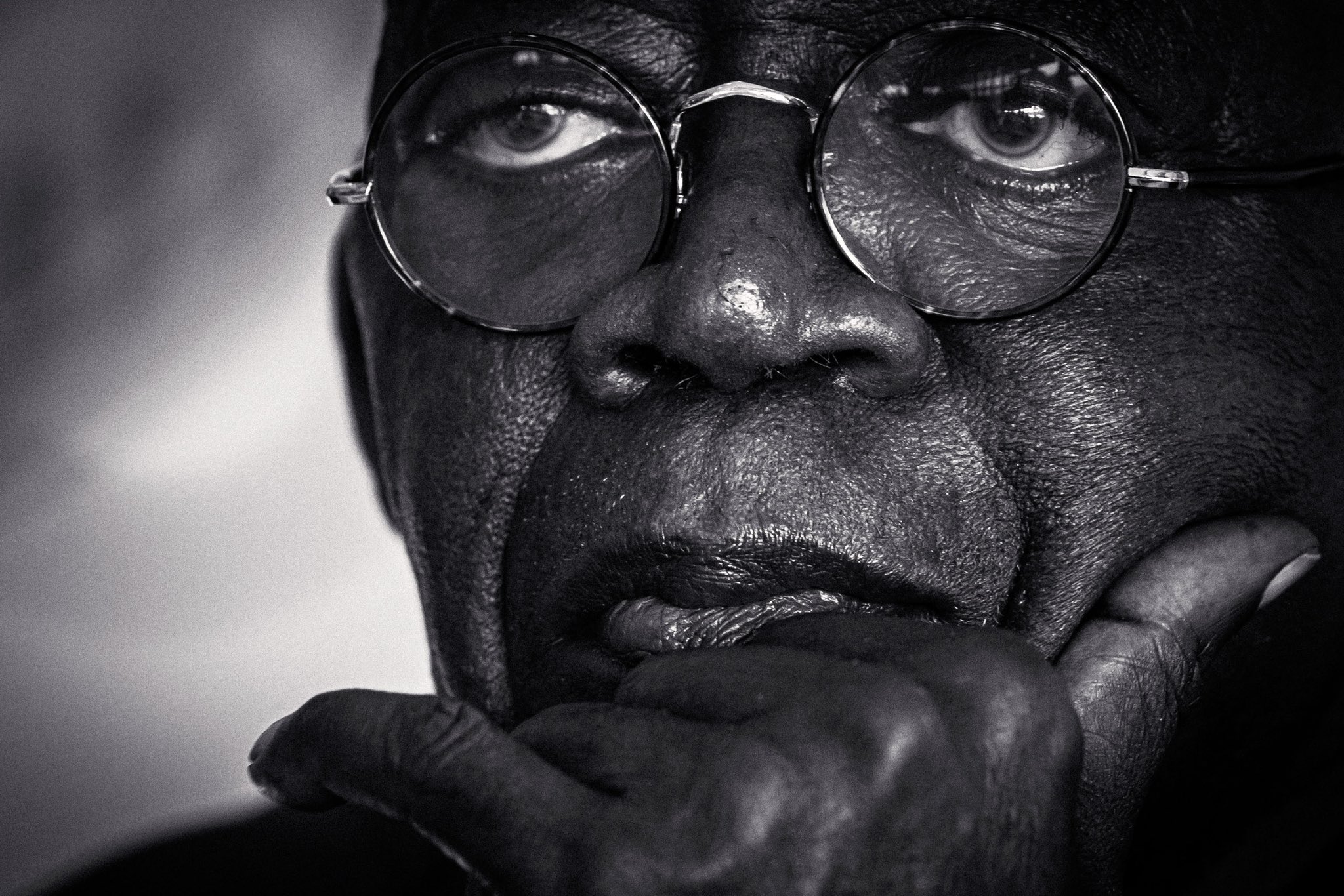
President Bola Ahmed Tinubu once positioned himself as a defender of democracy. As a leading figure in the National Democratic Coalition during the years of military rule under General Sani Abacha, he spent time in exile and helped sustain the campaign for the restoration of the June 12 mandate. Many Nigerians therefore expected that a government led by him would strengthen rather than weaken democratic norms and national cohesion. Three years into his presidency, that expectation has given way to deep unease.
The unease begins with the language the President has chosen in public, both recently and long ago. While campaigning in Delta State in November 2022, he dismissed an opponent’s emphasis on data with the remark that Nigerians could not eat statistics and that what mattered was putting food on the table. On the day of his inauguration he declared, without elaboration or preparatory detail, that the fuel subsidy was gone. More recently, while receiving a delegation of Catholic bishops, he stated that all is fair in politics and that those who seek to unseat him in 2027 must be prepared to wrestle him to the finish. Earlier, during the contest for the All Progressives Congress presidential ticket, he popularised the Yoruba phrase Emi lo kan, meaning it is my turn.
These statements sit alongside an older remark that has returned to public debate. In an interview published by ThisDay on 13 April 1997, while he was in exile in London as a NADECO activist opposing the Abacha regime, Tinubu was quoted as saying that he did not believe in one Nigeria. The context was the deep frustration of the pro democracy struggle after the annulment of the June 12 election and under military repression. Critics argue that the remark, made by a man who later pursued the presidency with single minded determination, raises enduring questions about the depth of his commitment to the Nigerian project as a shared national enterprise rather than a platform for personal or sectional ambition.
Taken separately, each statement may be explained as campaign rhetoric, historical frustration, or a candid expression of political competition. Taken together, they reveal a consistent preference for personal claim over institutional restraint and national unity. The phrase Emi lo kan elevates one individual’s turn above any shared or collective understanding of succession. The assertion that all is fair in politics, when uttered by the occupant of the highest office, risks being heard by party loyalists as permission rather than as a description of ordinary electoral rivalry. The 1997 comment, whatever its precise circumstances, continues to be invoked as evidence that national unity has not always ranked as a foundational belief. Critics have already argued that such language can embolden supporters who interpret it as licence to intimidate opponents.
That interpretation gains force from the President’s silence when violence or threats of violence occur in the name of his party. Reports of attacks on opposition figures and supporters in different parts of the country have not been followed by clear, personal condemnation from the President himself. Official statements, when they appear at all, usually come through media aides. The contrast with the public stance he once took against Abacha is stark. A leader who fought military dictatorship, and who once questioned the very idea of one Nigeria, cannot remain mute when civilian politics begins to resemble the politics of force.
The same pattern of opacity surrounds questions of identity and past conduct. Allegations that the President once held a Guinean passport have circulated for years. Documents purporting to show such a passport were tendered in the 2023 election petitions. The President maintained that any such document had expired and that he had never acquired foreign citizenship, yet the issue has never been closed with a full public accounting. Separately, United States court records from the early 1990s document a civil forfeiture of roughly four hundred and sixty thousand dollars from accounts linked to him in connection with an investigation into a heroin trafficking network in Chicago. He was not criminally charged and has denied wrongdoing, but the existence of the investigation and the forfeiture remain part of the public record. These unresolved questions do not of themselves disqualify a president, yet they deepen public doubt about the completeness of the information available to voters and about the consistency of his attachment to the Nigerian state.
Further doubt arises from the manner in which the President conducts the business of government. Long periods pass in which he is absent from major state functions. When he does appear, observers have noted visible physical frailty. Extended stays abroad are described by the Presidency as working vacations, yet the precise nature of those absences is rarely explained in detail. Day to day communication with the public is frequently left to social media handlers who issue second hand statements. In a country where the health of the head of state has previously become a matter of national controversy, the continued preference for secrecy rather than transparency weakens the claim that the President is fully discharging the duties of office.
None of these issues exists in isolation from the wider political culture the President has helped to shape. Opposition voices have long alleged that substantial sums were mobilised from the allocations of All Progressives Congress governors to finance his election effort. Whether or not every detail of such claims can be verified, the broader perception that money rather than programme or performance decides outcomes has become entrenched. Combined with a winner takes all approach to power, this perception threatens the minimal consensus required for democratic competition. If every election is treated as a contest in which the victor may do whatever is necessary to retain control, the incentives for peaceful alternation of power diminish.
Looking toward the 2027 presidential election, the implications are serious. A contest conducted under the shadow of the statements already made, including the long standing remark on national unity, and in the absence of clear presidential leadership against political violence, carries an elevated risk of disruption. Should the result be close, the combination of unresolved questions about the incumbent’s health, identity and past, and the rhetoric of unrestricted competition, could make acceptance of the outcome more difficult. Nigeria has already lived through periods in which disputed elections deepened national division. A further episode of that kind would impose heavy costs on an economy still adjusting to the removal of the fuel subsidy and on a security environment that remains fragile.
The future of the country does not hinge solely on the personality of one leader. It does, however, depend on whether the habits of leadership that leader models become the norm or remain exceptional. A democratic system requires more than the formal holding of elections. It requires that those who hold power accept limits, speak clearly against violence committed in their name, demonstrate consistent commitment to the idea of one Nigeria, and allow the public a reasonable degree of information about their fitness for office. On present evidence, President Tinubu has chosen a different path. Whether that path ends in a contested 2027 election or in a further concentration of power will be decided by the choices Nigerians make between now and then, and by the willingness of institutions to enforce rules that the highest office has sometimes treated as optional.
Daily Justice, Editorial.

- Editorial: Tinubu’s Rhetoric and Silence Cast a Long Shadow Over Nigeria’s Democratic Future
- US Forces Disable Cargo Vessel Attempting to Breach Iranian Blockade
- Trump Calls for New Ukrainian President After Striking Diesel Deal with Russia
- Israeli President Herzog Calls Captain Smit Machchhar a Hero of Israel, and Pledges Top Civilian Award
- EFCC Secures Conviction of Onatayo Pelumi for Money Laundering Involving 132 Million Naira in Lagos


