
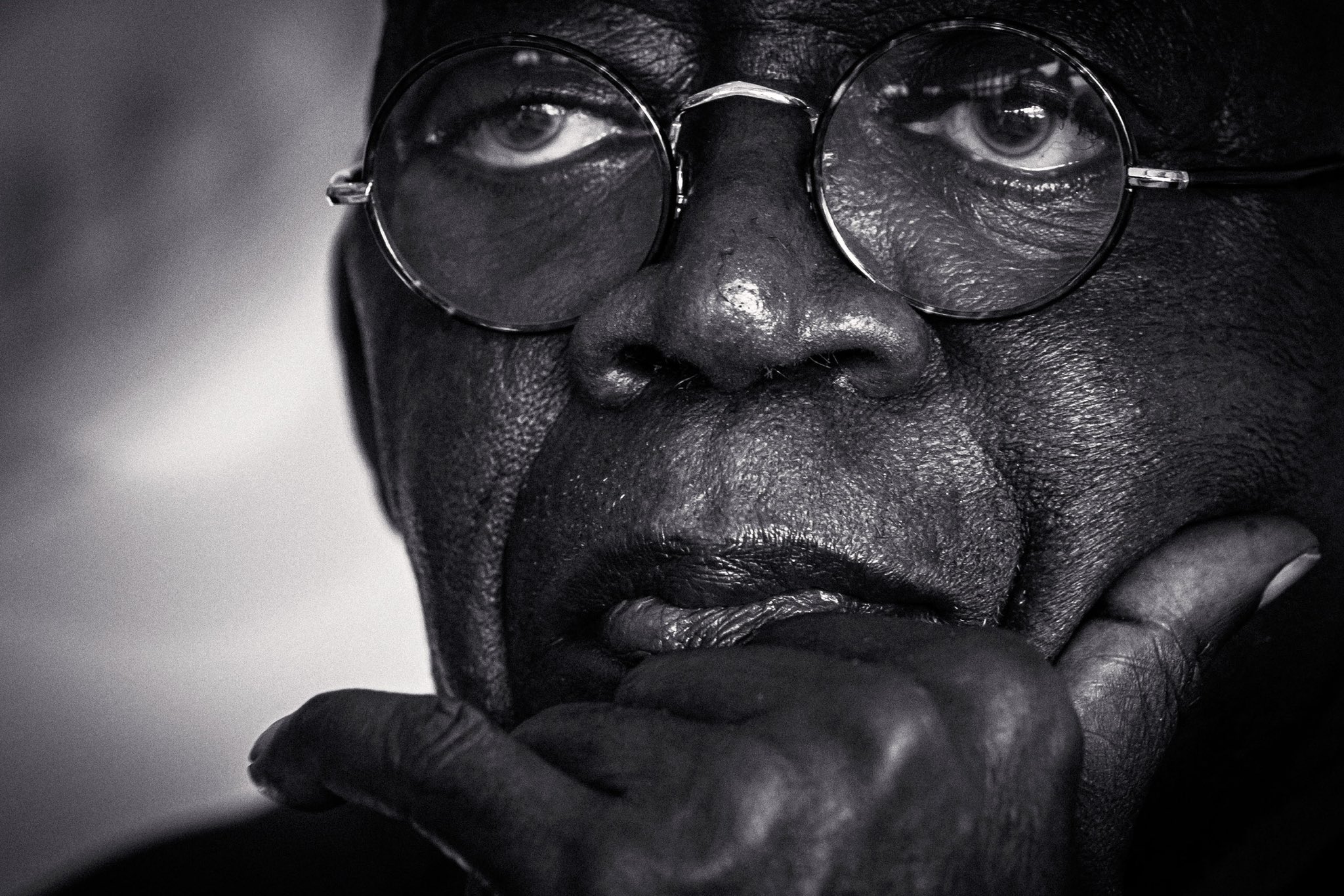
President Bola Tinubu has faced growing criticism over a series of limited engagements with communities affected by violence and deaths, as well as his recent decision to skip many campaign rallies ahead of the 2027 elections. Critics argue that repeated excuses for not travelling into affected areas, combined with the claim that he can govern from anywhere, suggest he is taking Nigerians for granted and raise questions about his physical and mental capacity to campaign vigorously or govern effectively.
In early April 2026, Tinubu travelled to Jos, Plateau State, on a condolence visit following an attack in the Angwan Rukuba area of Jos North that killed around 28 people. He did not enter the town. The Presidency cited logistical constraints: the airport runway lacked navigational aids for night flights, the journey into Jos takes about 40 minutes, and officials decided it was not feasible to drive in, assess the situation, and return before dusk. Victims’ families and stakeholders were instead brought to a hall adjoining the airport. During the meeting, Tinubu was reported to have said that the airport had no light and that he needed to fly back within minutes, adding that he could offer only consolation and a promise that the experience would not be repeated.
A similar situation arose in Benue State in June 2025 after attacks in Yelwata. Tinubu visited the state and met victims in Makurdi, but he aborted a planned trip to the affected community. He attributed the decision to rain, flooding, and bad roads. Opposition figures, including Peter Obi, rejected the explanation, noting that ordinary people live and travel those routes daily and that helicopters or other arrangements could have been used. The Presidency has previously maintained that the President can order, direct, and govern from anywhere, a point raised again when questions arose about his location during overseas periods.
More recently, around 37 people died in September 2026 while in the custody of the Nigeria Security and Civil Defence Corps in Niger State. Vice President Kashim Shettima travelled to Minna to convey Tinubu’s condolences, announce a federal donation of N250 million to the families, and affirm that an independent investigation would be conducted. Tinubu himself did not visit. The incident occurred while he was on leave and Shettima was abroad, and the Vice President’s presence was presented as sufficient representation.
These episodes form a pattern that has drawn attention to Tinubu’s latest stance on the 2027 campaign. At the inauguration of the All Progressives Congress Presidential Campaign Council in mid October 2026, he stated that he would not accompany officials to every state. He said the responsibilities of office do not pause, that Nigeria needs attention, that bills and investor obligations continue, and that party leaders should lead mobilisation while he makes time to address Nigerians directly. The campaign schedule indicates he is expected to attend rallies in only a limited number of states, with others covered by party representatives. This sits alongside earlier Presidency statements that he can govern effectively from any location.
The contrast is clear. Media officials have long insisted that governance is not confined by geography and that modern tools allow the President to direct affairs remotely. Yet when it comes to travelling within Nigeria to sites of mass death or to campaign across states, logistical reasons, weather, roads, or the need to focus on governance have repeatedly limited his personal presence. For many Nigerians, physical presence at moments of national trauma carries symbolic weight that remote directives or delegated visits do not fully replace. The repeated shortfalls, paired with the claim that he can operate from anywhere, have led to the view that Tinubu is taking the public for granted.
Public commentary has increasingly linked these choices to broader doubts about capacity. Observers note that campaigning and sustained governance both require energy, mobility, and visible engagement over an extended period. If logistical hurdles and the demands of office consistently prevent travel to affected communities or full campaign participation, questions naturally arise about whether the same constraints will affect day to day leadership. Supporters point to the practical realities of security, scheduling, and the need to balance competing duties. Critics counter that a president who has asserted the ability to govern from anywhere should not find so many barriers to presence inside the country when citizens are killed.
The cumulative effect is a perception that accountability and solidarity are being managed at arm’s length. Whether through airport only meetings, aborted trips into affected communities, or selective campaign attendance, the pattern reinforces scepticism among those who believe effective leadership in a large and diverse country requires more consistent physical engagement. As the 2027 contest approaches, the gap between the claim that governance can happen from anywhere and the repeated decision not to go everywhere is likely to remain a point of political contention.
By Daily Justice
- Federal High Court rules DSS chief need not testify in person in Sowore trial
- Borno Court Sentences Christian Mother Liyatu Samuel Dawa to 14 Years for Advising Adult Woman Who Converted
- Former Rwandan army sergeant major and Kagame critic found beheaded in Uganda
- Tinubu’s Excuses for Avoiding Tragedy Sites and Campaigns Fuel Belief He Lacks Capacity to Lead
- Former Delta State governor Emmanuel Uduaghan dies aged 71


