
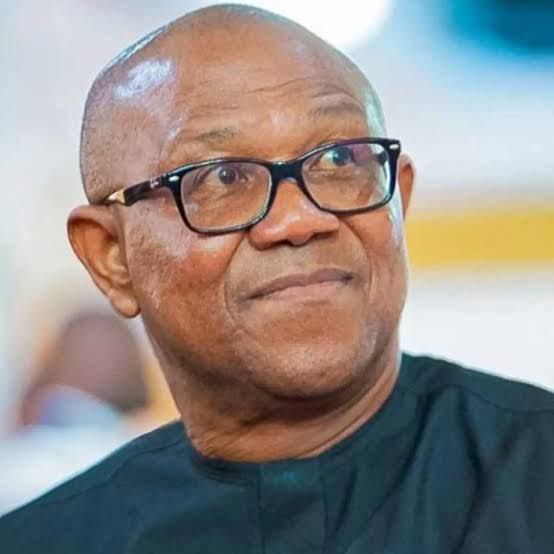
In a significant development in Nigeria’s opposition politics, Peter Obi, the former Governor of Anambra State and Labour Party presidential candidate in 2023, has announced his resignation from the African Democratic Congress (ADC). The move, made public on 3 May 2026, comes just months after he joined the party as part of a broader opposition coalition aimed at challenging the ruling All Progressives Congress in the 2027 general election.
At the heart of Obi’s decision lies former Vice President Atiku Abubakar’s presidential ambition, which many observers say shows little regard for Nigeria’s informal but deeply entrenched north-south zoning system. In Nigerian politics, power has traditionally rotated between the northern and southern regions to promote national balance. With Atiku, a northerner, actively positioning himself for the ADC ticket, Obi – from the south-east – and his supporters reportedly viewed the arrangement as undermining this convention, especially after the current president, Bola Tinubu, is from the south-west. Although Obi has publicly stated that his exit is not due to any personal grievance with Atiku or ADC chairman Senator David Mark, whom he continues to respect, the underlying tension over the presidential ticket has clearly contributed to the party’s instability.
Compounding these difficulties are the multiple court cases that have engulfed the ADC in recent months. A recent Supreme Court ruling on the party’s leadership has only heightened the sense of legal uncertainty. These ongoing legal battles have created a climate of fear and suspicion, diverting attention from pressing national issues such as economic hardship and insecurity. Obi described the environment as increasingly toxic, with intimidation, scrutiny and internal division becoming the norm. He noted that the same “Nigerian state and its agents” he believes destabilised the Labour Party now appear to be infiltrating the ADC, fostering endless court cases, suspicion and division rather than unity.
Crucially, Peter Obi remains determined to contest the 2027 presidential election and secure a place on the ballot. He has made clear that he will not allow party infighting or legal uncertainties to derail his commitment to offering Nigerians an alternative focused on competence, service and nation-building. Analysts suggest he has now chosen a more stable platform, the newly formed Nigeria Democratic Congress which he would use to pursue his ambitions without the distractions that have plagued the ADC.
Obi’s departure highlights the fragility of Nigeria’s opposition coalitions. While he insists his decision stems from principled concerns rather than personal animosities, it underscores a deeper challenge: the difficulty of building a cohesive front when personal ambitions, zoning conventions and external pressures collide. As the countdown to 2027 begins, all eyes will be on where Nigeria’s most prominent opposition figure lands next.
- Supreme Court restores Electoral Act rules on party registers and primaries
- Lagos court remands influencer KC Luxury and two others over alleged 184.5kg cocaine haul
- Lagos Police Identify Inspector In Viral Video And Begin Disciplinary Action
- Utomi Restates Support for Obi Presidency and Rejects Any Vice President Role
- Peter Obi rejects Anambra debt claims and says official records contradict the US$123 million figure


