
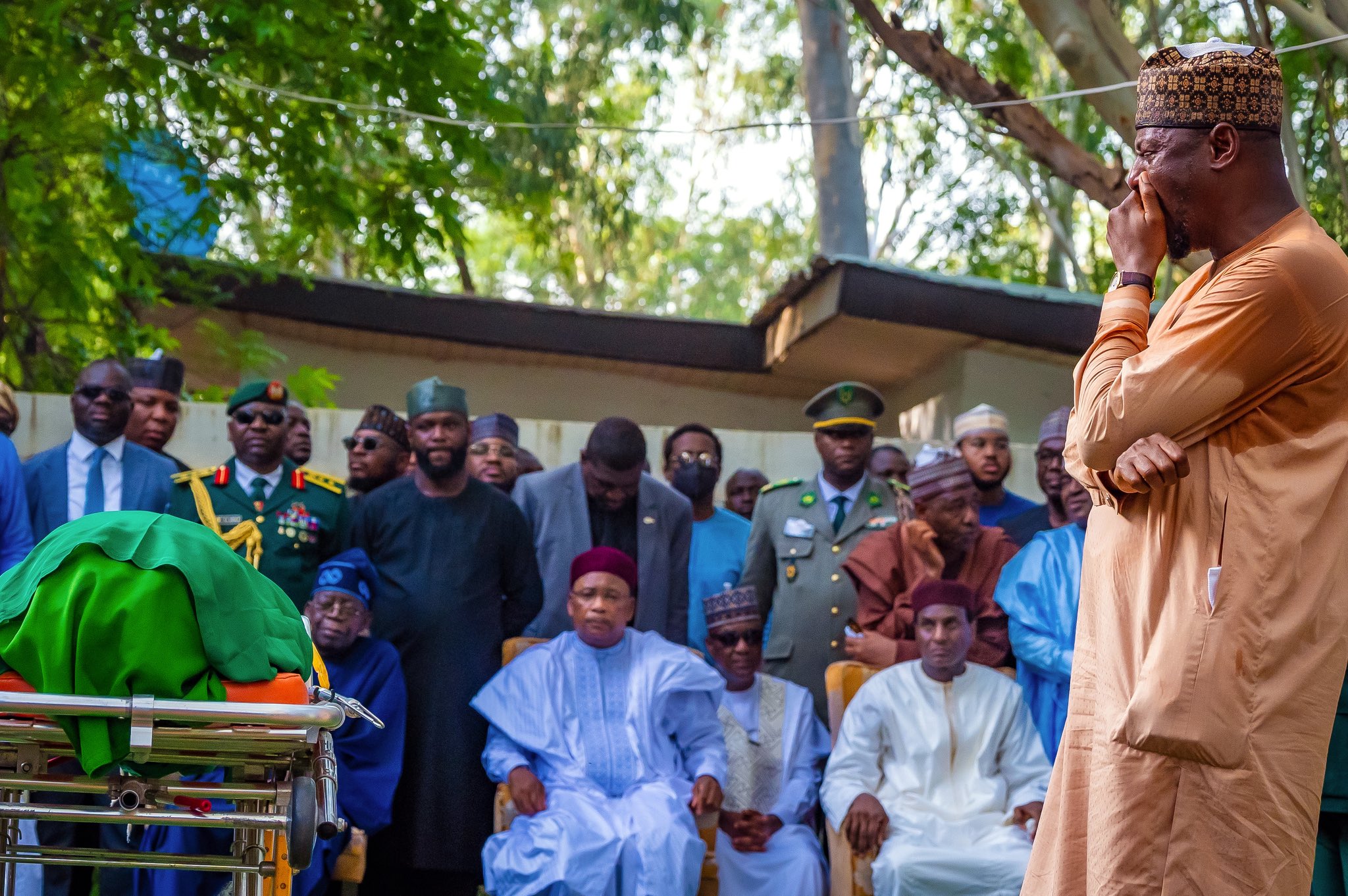
Abuja, Nigeria – 16 July 2025 – Former Senator Shehu Sani has issued a stark warning to Nigeria’s current and future leaders, urging them to draw lessons from the raw and unforgiving public reactions following the death of ex-President Muhammadu Buhari.
In a poignant post on the social media platform X, Sani highlighted the emergence of a “new generation of retributive citizens” in Nigeria. He wrote: “The present and future crop of Nigerian leaders should take lessons from the wave of unrefined emotions of Nigerians in the last 48hours; a new generation of retributive citizens have evolved: unrestrained in their anger, unfiltered in their bitterness and unforgiving in their souls.”
Sani’s statement comes against a backdrop of polarised responses to Buhari’s passing, which has exposed deep-seated frustrations among many Nigerians over his eight-year tenure. Buhari, a former military ruler who returned to power democratically in 2015, died on 13 July at a clinic in London after battling a prolonged illness. He was 82. His body was flown back to Nigeria and buried in a simple ceremony at his family home in Daura, Katsina State, on 15 July, in line with Islamic traditions.
While official tributes poured in from President Bola Tinubu and other dignitaries, who praised Buhari’s anti-corruption drive and infrastructure projects, social media platforms have been flooded with unfiltered criticism. Many Nigerians have vented anger over issues such as economic hardship, insecurity, and alleged nepotism during his administration. One X user described the reactions as a reflection of the “pain” caused by policies that “exacerbated suffering,” with posts celebrating his death garnering thousands of views and likes. Others have gone further, reviving conspiracy theories that Buhari had died years earlier and been replaced by an impersonator a rumour long dismissed but persistently echoed in some online communities, with users questioning the lack of high-profile international attendance at his funeral.
However, not all reactions have been hostile. Supporters, particularly in northern Nigeria, have mourned Buhari as a principled leader who prioritised national unity and development, with some expressing dismay at the gleeful responses online. Sani himself, in a separate comment, called for restraint, advising Nigerians to “let sleeping souls rest” and avoid speaking ill of the dead amid the grief of Buhari’s family.
The former president’s legacy remains contentious. As a two-time head of state—first seizing power in a 1983 coup before his democratic election in 2015 Buhari was hailed by some as a disciplinarian who tackled corruption but criticised by others for economic policies that deepened inequality and failed to stem violence from groups like Boko Haram. His death has reignited debates on governance, with analysts suggesting it underscores a shift in public sentiment towards accountability.


