
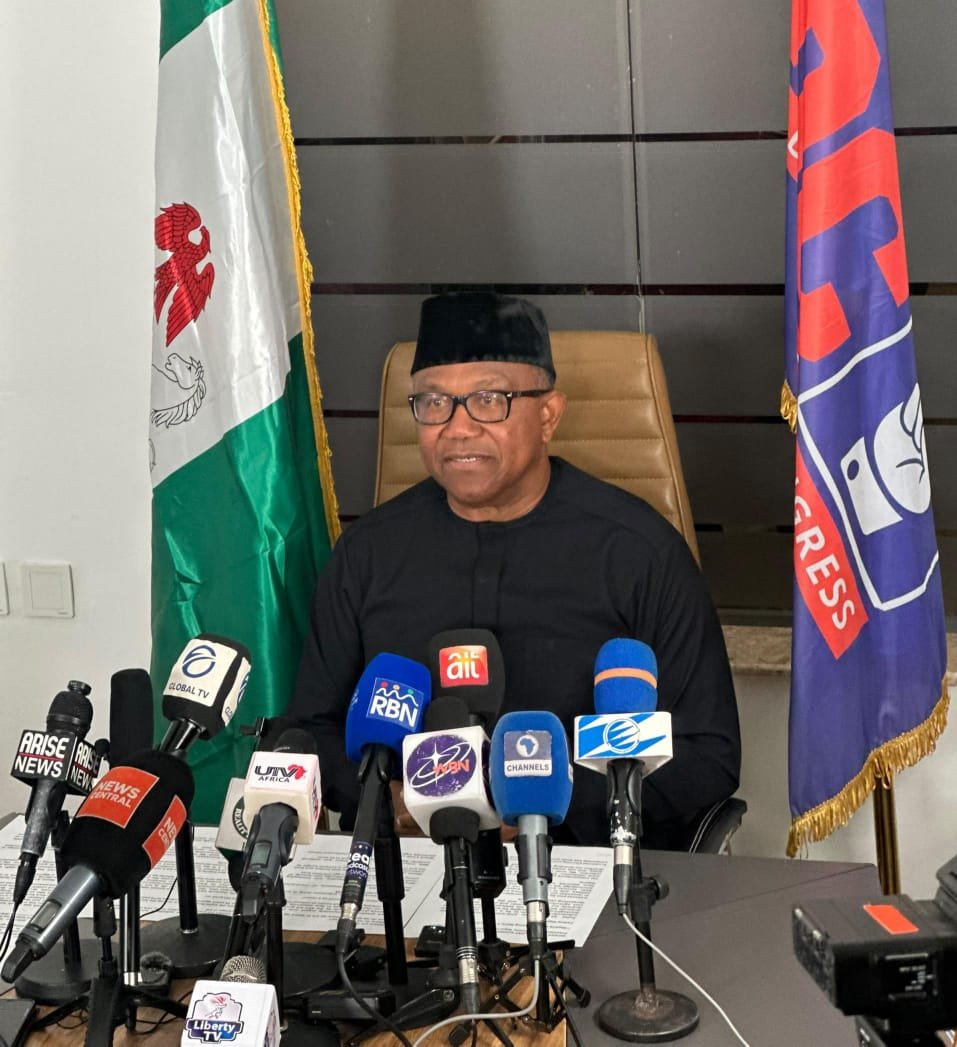
Former presidential candidate Peter Obi has called on Nigerians to treat the sixty sixth anniversary of independence as a moment of honest national examination rather than simple celebration.
In a statement issued to mark the occasion, Obi said the day ought to be one of thanksgiving to God for the gift of life and for the blessings bestowed on the country, including its diversity, abundant human and natural resources, vast agricultural potential, and relative freedom from devastating natural disasters. He added that it should also be a day of appreciation and patriotism, remembering the founding fathers and all who made selfless sacrifices, in many cases the supreme sacrifice, for the birth, survival and growth of the nation. The efforts of past and present leaders who have laboured, however imperfectly, to build a better Nigeria should also be acknowledged, he said.
Obi stressed that independence anniversaries must never be reduced to mere celebration. They are occasions for looking back, examining where the country stands, and asking whether it is moving in the direction its founders envisioned. In national planning, he argued, every serious nation must continually ask three questions: where it is today, where it wants to be, and how it will move from one to the other.
These questions, he said, are especially urgent now. Despite the enormous promises made by the APC led government in 2023, the country continues to face deepening challenges across virtually every critical sector. He listed an extraordinarily large population living in poverty and severe hardship, put at over 140 million; one of the largest populations of children out of school in the world, over 18 million; persistent insecurity, terrorism, banditry and kidnapping, including the recent loss of 37 young Nigerians in their productive years; hunger and food insecurity affecting millions, with over 40 million Nigerians expected to face extreme hunger by the end of 2026; unacceptably high rates of infant and maternal mortality, such that Nigeria is today the worst place to be born; youth unemployment and underemployment remaining alarmingly high at over 35 million; drug abuse and substance misuse affecting 14 per cent of the population against a global average of 6 per cent; and life expectancy of 54 years against a global average of 74 years.
This reality, Obi said, demands serious, sober and honest reflection. Recalling the teaching of Socrates that the unexamined life is not worth living, he argued that an unexamined nation cannot successfully chart its future. Nigerians must ask whether they are cursed, or whether they have become the curse through the choices they have made and the failures they have tolerated.
The answer, he insisted, cannot be that Nigeria is cursed. The country is immensely endowed and blessed. Its greatest problem is not a lack of resources but the failure to convert those resources into human development, productivity, security and shared prosperity.
Obi disclosed that he and Senator Rabiu Kwankwaso returned only the previous day from a two day visit to Sokoto State. They held extensive consultations with people from different parts of the state on insecurity, children out of school, poverty, youth unemployment, drug abuse and other challenges. At the close of the visit they went to the camp for internally displaced persons at Ramin Kura within Sokoto metropolis. What they saw, he said, was deeply troubling. Thousands of women and children live in deplorable conditions, displaced from their homes and deprived of the basic necessities of life. Many of the children have no access to education, and mothers and children have limited access to basic healthcare. These are Nigerians who should be living in their communities, attending school, farming their land, conducting their businesses and contributing to the economy. Instead, they live as displaced persons in their own country.
By A.Ikechukwu
- UK: Employers face £60,000 fines and prison for hiring illegal delivery riders
- Former NCA officer ordered to repay more than £1.8 million after Bitcoin theft
- Police arrest dual British Iranian national over terror plot suspicion after RAF Fairford incident
- Peter Obi Urges Sober Reflection as Nigeria Marks 66 Years of Independence
- Harem Ahmed Abwbaker jailed for eight years over Channel boat deaths


