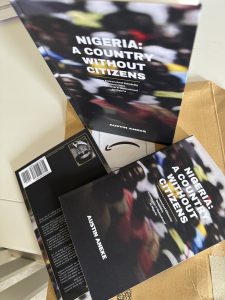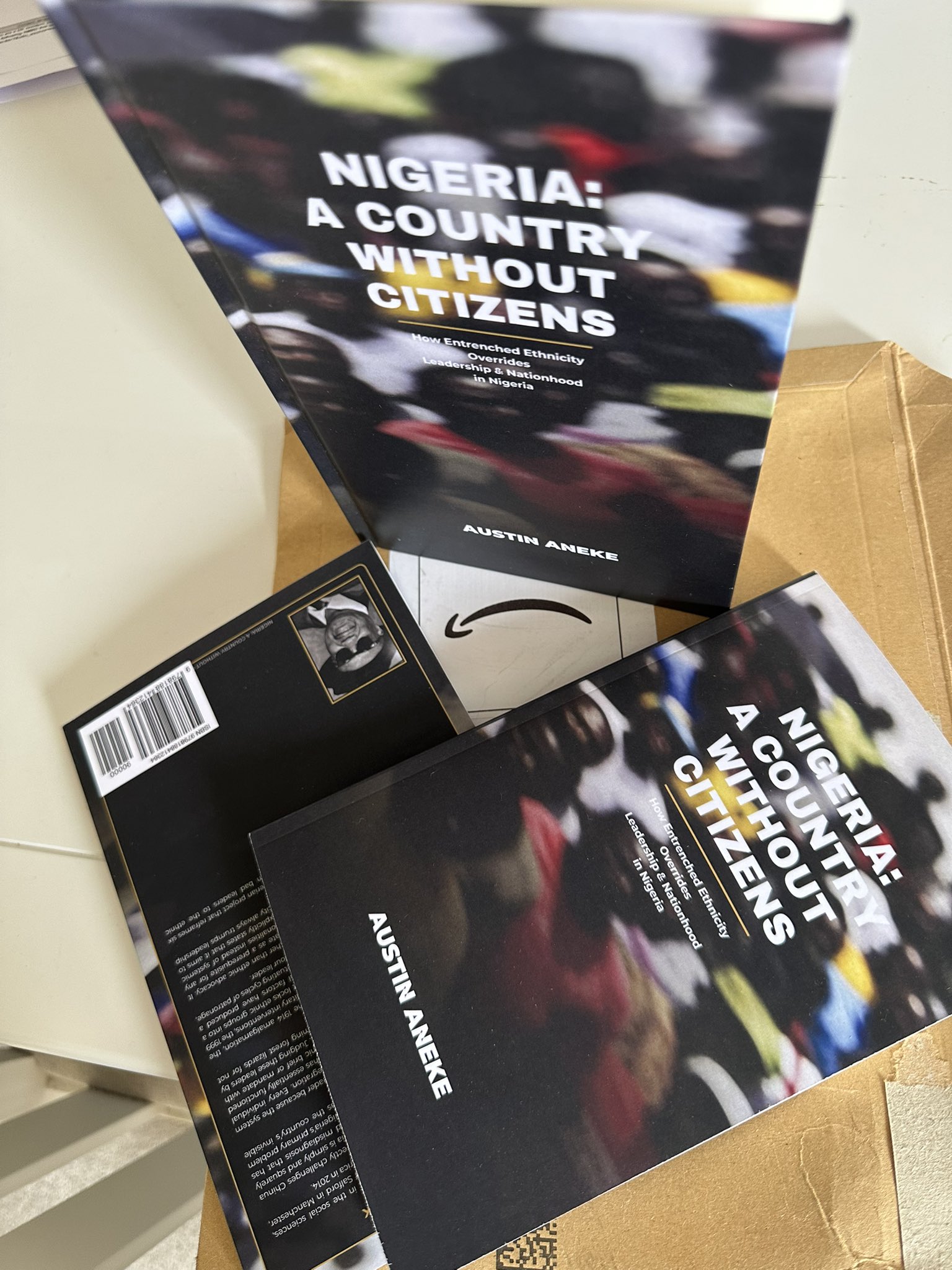
For more than sixty years Chinua Achebe’s verdict has shaped how Nigerians and the wider world understand the country’s persistent failures: “The trouble with Nigeria is simply and squarely a failure of leadership.” The line, from his 1983 pamphlet The Trouble with Nigeria, has justified military coups, successive anti-corruption campaigns and endless cycles of electoral hope. A new book contends that this diagnosis is not merely incomplete. It is a category error.
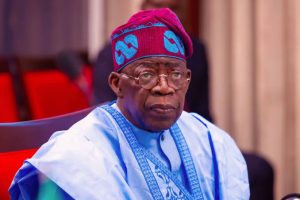
The central argument is that Nigeria’s fundamental problem is not the personal shortcomings of those who occupy high office. It is the entrenched ethnic architecture of the state itself. From the British amalgamation of 1914 through successive military and civilian regimes, political power has been organised around ethnic and regional briefs rather than any genuine national project. Leaders do not fail as national statesmen; they succeed as ethnic champions. They arrive at the centre already equipped with sectional mandates, extract advantage for their sending constituencies, and depart. Judging them by a national job description they never accepted mistakes the nature of the office they actually hold.
The book draws on historical evidence from the first coups of 1966, the civil war, the 1999 Constitution, zoning arrangements, federal character rules and the behaviour of successive presidents to show how ethnicity functions as Nigeria’s real, invisible constitution. Competence is subordinated to ethnic arithmetic. National loyalty remains secondary to group loyalty. The result, the author writes, is not a failed nation but a country that was never permitted to become one: an artificial enclosure of ethnic subjects rather than consenting citizens.
As long as the dominant response remains the search for a transcendent national leader who can rise above these foundations, Nigeria will continue to rotate through cycles of inflated expectation and inevitable disappointment. Accurate diagnosis must come first. Only by confronting the ethnic structure that selects, constrains and rewards its leaders can any serious conversation about reform begin.
The author is careful to stress that this is not a call to promote ethnicity. It is a call to understand, with unflinching honesty, why ethnicity has always trumped leadership and nationhood in Nigeria and why six decades of treating the symptom has left the disease untouched.
Achebe’s pamphlet remains one of the most widely quoted political texts in Nigerian public life. Its moral clarity and brevity gave it lasting power. Yet the new work suggests that by locating the problem so firmly in the character of individual leaders, Achebe and those who followed him allowed the deeper institutional and historical arrangements to escape scrutiny. Coups removed particular men; they did not dismantle the logic that produced them. Anti-corruption drives targeted individuals; they left intact the ethnic bargains that make corruption a rational strategy for group advancement. Elections periodically refresh the cast; they do not rewrite the script.
The 1914 amalgamation, the book notes, created a political marketplace in which groups compete for control of the centre rather than a shared civic project. Federal character provisions and informal zoning conventions, intended as stabilisers, have instead formalised the idea that public office is a rotating ethnic entitlement. Presidents and ministers are evaluated first by how well they deliver for “their people.” National performance is a secondary, often optional, consideration.
This reading does not deny that individual leaders have been venal, incompetent or both. It insists that those personal failings are downstream of a structure that selects for ethnic brokers rather than nation-builders and then rewards them for behaving accordingly. A leader who attempted to govern as if Nigeria were already a nation of citizens rather than an arena of ethnic subjects would, on this account, be acting against the incentives that put him or her in office.
Whether the book will shift a conversation that has been conducted in Achebe’s terms for two generations remains to be seen. Its value, at minimum, is to force a more precise question. If the trouble with Nigeria is not simply and squarely a failure of leadership, then what, exactly, would success look like? And can it be achieved without first naming the architecture that has made failure so durable?
You can source the book from Amazon via this link- NIGERIA: A COUNTRY WITHOUT CITIZENS
by John James