
Abuja, 21 October 2026
Nigeria has confirmed a case of Ebola virus disease in the Federal Capital Territory, Abuja, after laboratory tests verified the infection in a woman with recent travel history involving Uganda. Health Minister Muhammad Ali Pate announced the confirmation on 20 October, stating that the patient is in isolation and receiving medical care. Contact tracing is under way, with 44 contacts already identified. These include healthcare workers, patients, caregivers and people linked to her travel.
The index case is reported to be a Ugandan woman married to a Swiss citizen who had visited Uganda briefly before arriving in Nigeria. She developed symptoms on 7 October, four days after arrival, and was admitted to a private hospital in Abuja on 11 October. Confirmation of Bundibugyo virus followed on 20 October. Ugandan authorities have stated that there is no active Ebola in their country and that transit through Uganda does not establish the place of infection. Investigations into her full travel and exposure history continue.
This is the first confirmed case in Nigeria linked to the current regional outbreak of the Bundibugyo strain. The outbreak was declared in the Democratic Republic of the Congo in mid May 2026 and has since affected several countries across Central, East and West Africa, including Kenya.
Nigeria’s 2014 experience
Nigeria has faced Ebola before. In July 2014, Liberian American Patrick Sawyer arrived in Lagos already ill and was taken to First Consultants Medical Centre. Dr Stella Ameyo Adadevoh, the consultant physician who examined him, suspected Ebola despite an initial assessment of malaria and Sawyer’s denial of any contact with the disease. She ordered isolation, notified public health authorities and refused to release him despite pressure from Liberian officials. Sawyer died on 25 July 2014. Dr Adadevoh and several colleagues became infected; she died on 19 August 2014. The outbreak was limited to 20 confirmed cases and eight deaths. The World Health Organization declared Nigeria free of Ebola on 20 October 2014. Her insistence on isolation is widely credited with preventing wider transmission in densely populated Lagos.
What is Ebola and where does it come from?
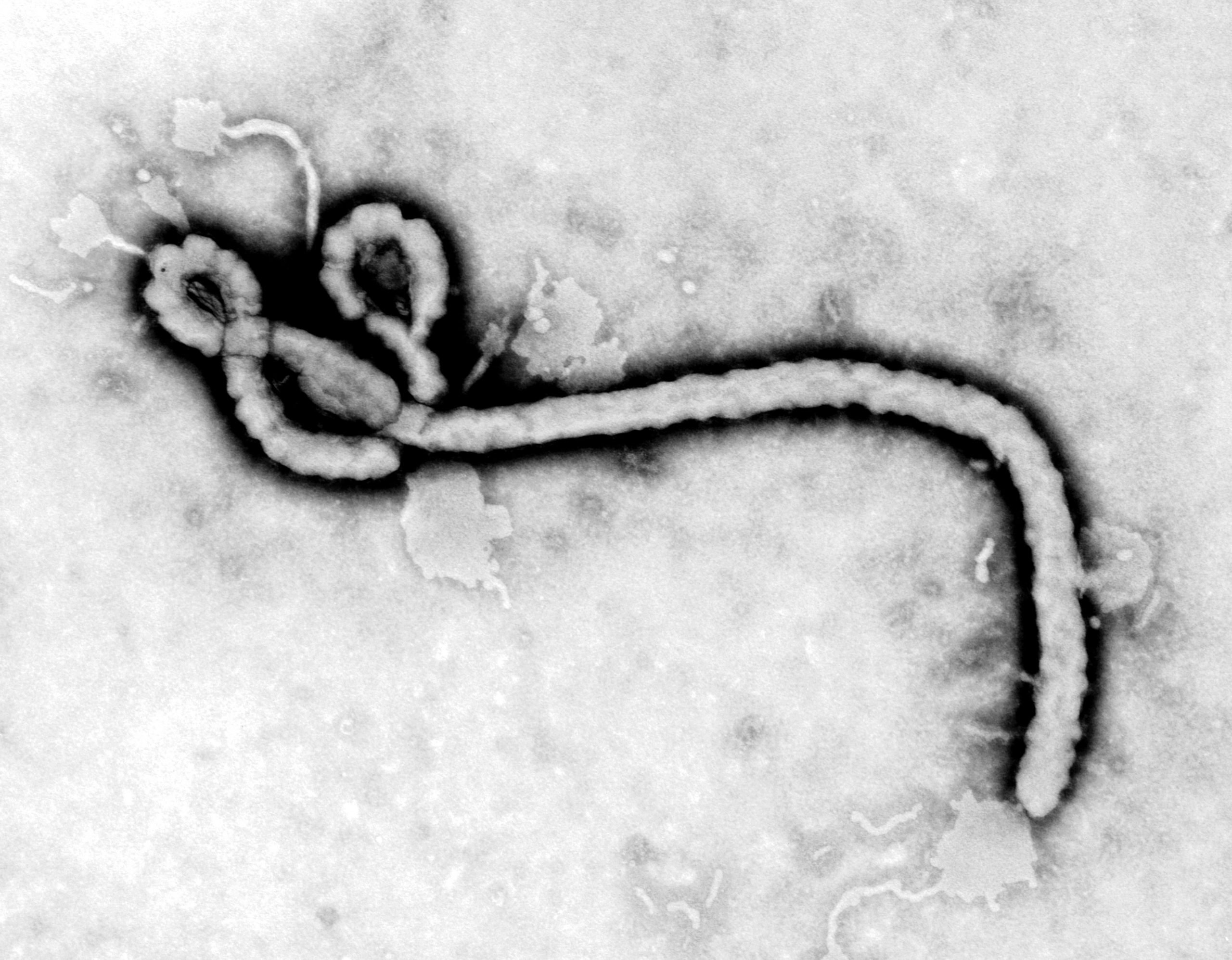
Ebola is a severe and often fatal illness caused by viruses in the orthoebolavirus genus of the Filoviridae family. It was first identified in 1976 during near simultaneous outbreaks near the Ebola River in what is now the Democratic Republic of the Congo and in Sudan (now South Sudan). Fruit bats of the Pteropodidae family are believed to be the natural reservoir. The virus can pass from animals to humans through contact with the blood, organs or other body fluids of infected bats, primates or other forest animals, alive or dead. Human to human spread occurs through direct contact with the blood or other body fluids (such as vomit, diarrhoea, saliva or sweat) of a person who is sick or has died, or through contact with contaminated objects such as needles or clothing. It does not spread easily through the air or by casual proximity. The incubation period is two to 21 days, with an average of eight to 10 days. Early symptoms include sudden fever, severe headache, fatigue, muscle pain and sore throat. These are often followed by vomiting, diarrhoea, abdominal pain, rash and, in some cases, bleeding. Case fatality rates have varied widely in past outbreaks, depending on the virus strain and the quality of care available.
The current outbreak involves the Bundibugyo strain, which has historically shown a lower fatality rate than the Zaire strain responsible for the large West African outbreak of 2014 to 2016.
Steps people can take now
To reduce the risk of further spread, the public should maintain strict hand hygiene by washing frequently with soap and running water or using alcohol based hand sanitiser. Avoid close contact with the blood or other body fluids of anyone who is ill or has died, especially if they show fever, vomiting, diarrhoea or unexplained bleeding. Do not handle or consume bushmeat or undercooked animal products from high risk areas. Anyone who develops symptoms after recent travel to affected regions, or after contact with a suspected or confirmed case, should report promptly to the Nigeria Centre for Disease Control and Prevention on the toll free line 6232 or to the relevant state health authorities. Cooperate fully with contact tracing teams and follow isolation instructions. Healthcare workers must use appropriate personal protective equipment and observe strict infection prevention and control measures when managing suspected or confirmed patients. Facilities should isolate suspects immediately and notify public health authorities without delay.
Integrity in the response
Nigerian health officials and agencies must ensure that all resources allocated for this response are used solely for containment, treatment, surveillance, laboratory support and public education. Public health emergencies have, on occasion, been treated as opportunities for diversion of funds or personal enrichment. This must not happen here. Clear accounting, independent oversight and transparent reporting of expenditure are required so that efforts remain focused on protecting lives. The Federal Ministry of Health, the Nigeria Centre for Disease Control and Prevention and partners including the World Health Organization have activated response measures. Rapid detection, effective isolation, thorough contact tracing and public cooperation will determine whether the case remains contained, as occurred in 2014.
By John James

- Investigation Links Nearly 271 Million US Dollars of American Property to Nigerian Officials
- A Caged Lion is Still a Lion: Avenge El-Rufai’s Treatment With Your Votes, By Mohammed Bello Doka
- UK Home Office Confirms Largest Recent Deportation Flight Carrying 44 Nigerians and Ghanaians
- Yobe State High Court Sentences Abubakar Musa to Death by Hanging for Fatal Assault of Wife
- Supreme Court to Hear Challenge by 16 State Governments to EFCC Constitutionality


