
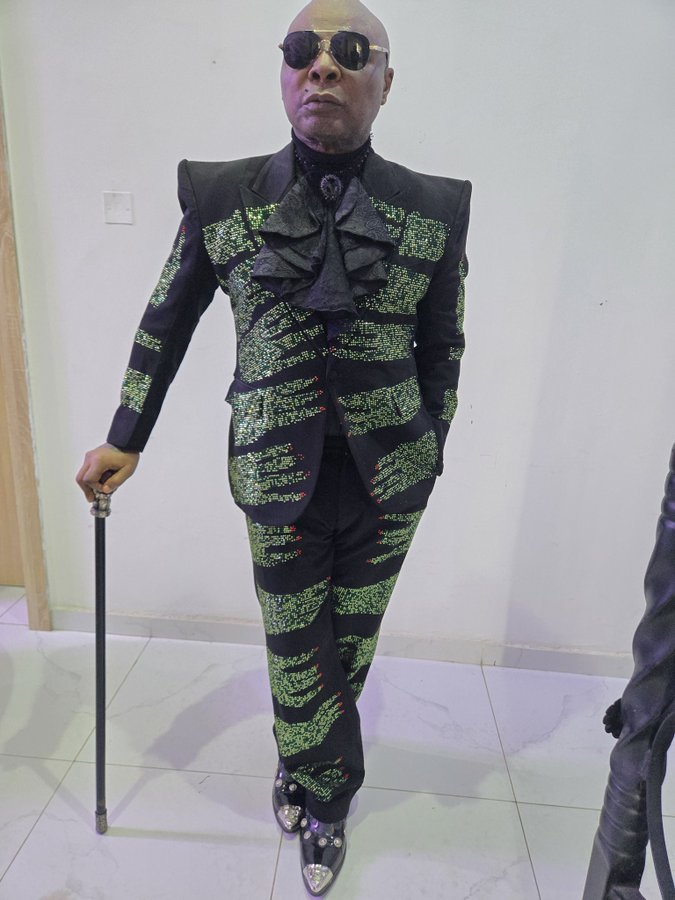
Lagos, Nigeria – July 27, 2025 – The Bariga Local Council Development Area (LCDA) in Lagos State has officially renamed the popular Charly Boy Bus Stop along the Gbagada-Bariga axis to “Olamide Baddo Bus Stop” in honor of Nigerian rapper Olamide Adedeji, known as Baddo. This change, announced recently, has ignited widespread criticism, with accusations of tribalism, pettiness, and an attempt to erase cultural legacies tied to non-Yoruba figures in the state.
The bus stop, located on the Oworoshoki-Oshodi Apapa Expressway, has long been associated with veteran entertainer and activist Charles Chukwuemeka Oputa, popularly known as Charly Boy. The name “Charly Boy Bus Stop” emerged organically from public usage after the musician resided in a nearby rented apartment in Gbagada for years, turning the area into a cultural landmark symbolizing creative resistance and grassroots recognition. Charly Boy, an Igbo native from Imo State, emphasized that the moniker was “not given by politicians” but by the people of Lagos, reflecting decades of community affection.
The rename to honor Olamide, a Yoruba-born artist celebrated for his contributions to Nigerian music, has been framed by critics as part of a broader pattern of ethnic favoritism under the current administration. Human rights lawyer Femi Falana condemned the action as illegal, arguing that renaming streets and landmarks in Lagos without proper legal processes violates established guidelines. Similarly, lawyer Monday Ubani described it as a “dangerous descent to tribalism and hatred,” suggesting it signals an effort by Governor Babajide Sanwo-Olu and President Bola Tinubu’s allies to marginalize non-Yoruba residents ahead of the 2027 elections.
Activist and publisher Omoyele Sowore echoed these sentiments, calling the bus stop an “iconic landmark tied to decades of creative resistance and people-powered culture in Nigeria.” He accused the Lagos government of pursuing a “tribal agenda” to disrespect and ridicule non-indigenous hosts, warning that such moves could exacerbate ethnic divisions in the cosmopolitan city. Social media has been abuzz with reactions, including satirical responses like Imo State Governor Hope Uzodimma reportedly joking about renaming his Government House to “Charly Boy Government House” in solidarity.
This is not the first controversy surrounding the site. In December 2023, local authorities attempted to revert the name to its original “2nd Pedro Bus Stop,” prompting Charly Boy to accuse the Baale of Gbagada of plotting against him amid ethnic tensions following elections. The change didn’t stick, as Lagosians continued calling it Charly Boy, highlighting the power of public nomenclature over official decrees. Critics point out that while Charly Boy never owned land there and the name was unofficial, it endured due to his cultural influence.
The decision has also drawn ire for its perceived pettiness. One commentator lamented, “A people once led by visionary leaders, now reduced to quibbling over the name of a bus stop,” echoing frustrations over governance priorities amid Nigeria’s economic challenges. The phrase “Yoruba Ro’nu?” – meaning “Yoruba, think?” in Yoruba – has trended online, urging reflection on whether such actions promote unity or deepen divides in a state often touted as “no man’s land” but increasingly seen through an ethnic lens.
Charly Boy himself responded defiantly: “You can change the sign, but not the legacy. Bariga, Gbagada, the entire Lagos knows the truth.” Supporters argue the rename celebrates a contemporary Yoruba icon like Olamide, but detractors see it as symbolic erasure. Local commuters predict the old name will persist in daily use, with one X user noting, “Knowing Lagos conductors, that name change na for paper and record purpose. Till eternity na Charly boy dem go dey call the bus stop.”


