American lawmakers have taken a significant step towards freezing US economic and security assistance to Nigeria unless the country demonstrates measurable progress in tackling violence against Christians and other religious minorities.
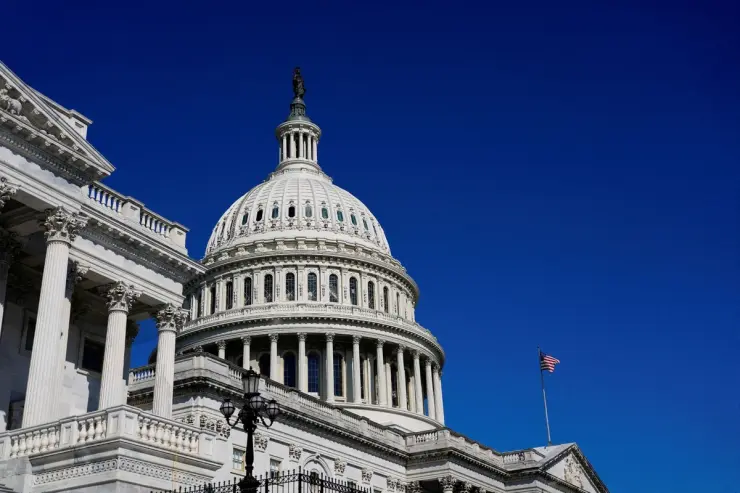
The US House of Representatives approved an amendment to the annual State Department appropriations bill requiring the Secretary of State to certify that Nigeria is making genuine headway against anti-Christian attacks before any further aid can be released. The measure now moves to the Senate.
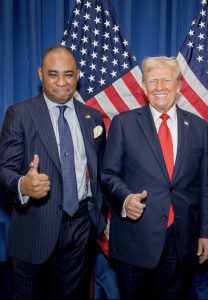
The development comes as the Nigerian government publicly released a letter dated 6 July 2026, which it claims was written by President Trump praising President Bola Tinubu’s “decisive leadership” in the fight against terrorism and the protection of Christian communities. According to the presidency, Trump described it as “a true honour” to stand with Nigeria against terrorists and referenced ongoing US-Nigeria defence cooperation. Critics have questioned the letter’s authenticity, noting the absence of a signed original or independent confirmation from the White House, and the two-week delay before its release.
Senator Ted Cruz, the Texas Republican who chairs the Senate Africa subcommittee, welcomed the House vote as a decisive rebuff to Nigerian officials. In a statement on X, he said Nigerian authorities had “created an environment that facilitates mass violence against Christians and religious minorities by imposing blasphemy and Sharia laws and looking the other way at jihadist atrocities.”
Cruz noted that the US government already knows the officials responsible for these policies. He has been advancing his Nigeria Religious Freedom Accountability Act, which would impose targeted sanctions on those enforcing Sharia and blasphemy laws or facilitating Islamist violence, and require Nigeria to be redesignated a Country of Particular Concern. President Trump has also ordered military action against Islamist militants operating in the country.
“Instead of responding to American concerns, Nigerian officials waged a public relations campaign against critics,” Cruz said. “They were confident in that campaign and in their ability to continue the status quo, and I am heartened that the House has just definitively proven them wrong.”
Nigeria has long been identified by advocacy groups as the deadliest place in the world for Christians. Reports cite thousands of faith-related killings in recent years, largely attributed to groups such as Boko Haram, Islamic State West Africa Province and militant Fulani herders. Critics argue that state and local enforcement of blasphemy laws in northern states, combined with weak or selective responses to jihadist attacks, has deepened the crisis.
Nigerian officials have repeatedly rejected the characterisation, insisting the violence is driven by criminality and insecurity rather than religious persecution and that the country remains tolerant. They have publicly criticised Cruz’s legislation as a misrepresentation of the security situation.
The House action raises the prospect of a full freeze on US assistance at a time when the Trump administration has already authorised strikes against senior Islamist figures in Nigeria. Cruz’s bill continues to advance in parallel, seeking both sanctions and a formal Country of Particular Concern designation that would trigger further consequences under US religious-freedom law.
The amendment must still clear the Senate and any final conference process before becoming law. Its passage, however, signals growing bipartisan impatience in Washington with the scale of religiously motivated violence in Africa’s most populous nation.
- US lobbying firm claims $3 million offer linked to Tinubu camp in bid to halt campaign over 1990s drug records
- Court adjourns suit seeking to bar Tinubu from 2027 presidential race
- FBI search yields 399 pages on Tinubu, Washington lobbying firm claims
- Tinubu asks US court to keep 1990s drug-inquiry files secret
- Adebola Festus Adekunle and Mudashiru Afeez Olawale extradited to US over alleged sextortion of minors