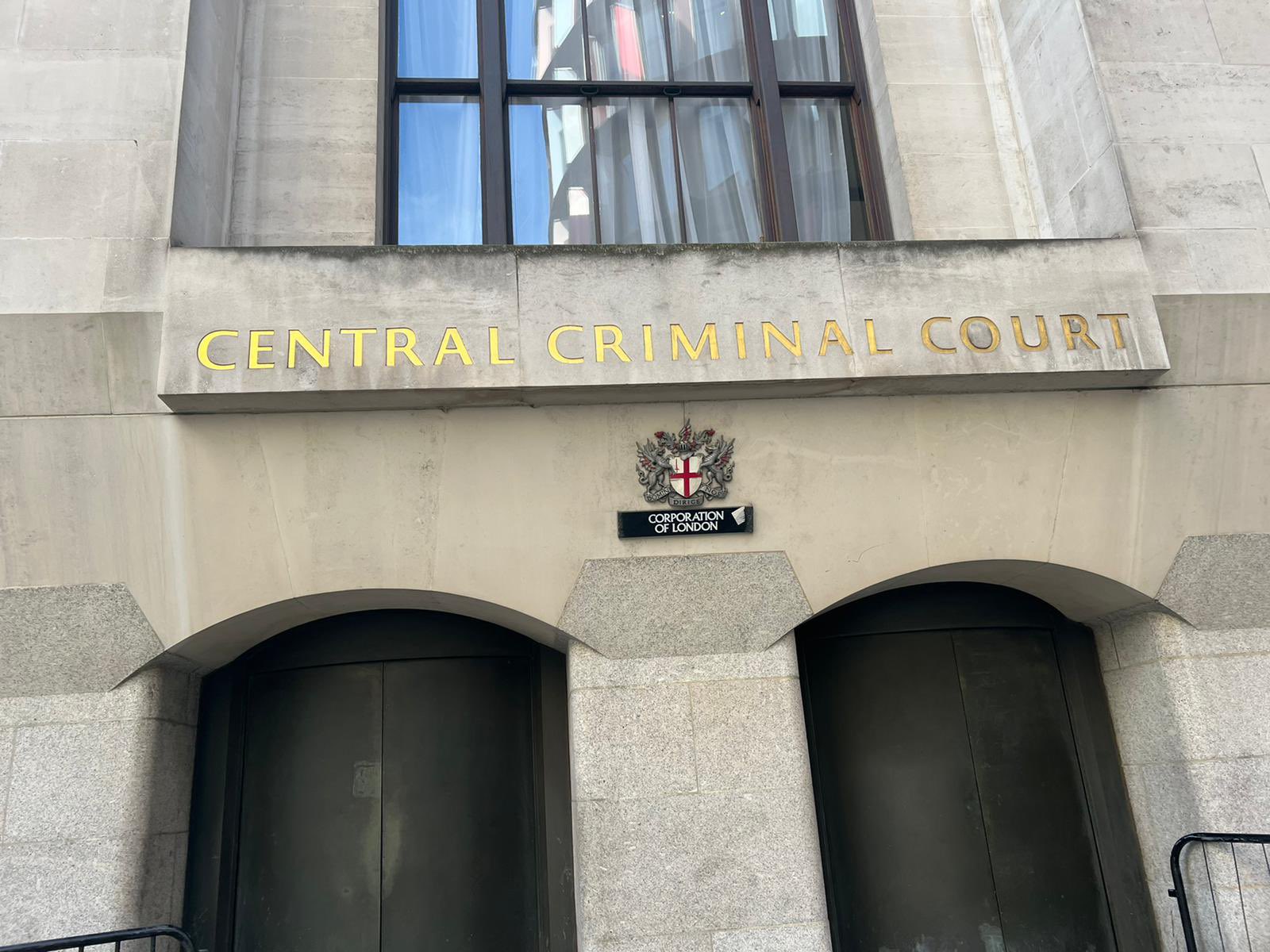
In a decision that has reverberated across international corridors, the United Kingdom has rebuffed Nigeria’s formal request to repatriate former Deputy Senate President Ike Ekweremmadu to serve the remainder of his prison sentence on Nigerian soil. This refusal, rooted in profound concerns over the integrity of Nigeria’s judicial and penal systems, is widely interpreted as a resounding vote of no confidence in the West African nation’s ability to uphold justice and enforce sentences impartially. Ekweremmadu, convicted in 2023 for his role in an organ-trafficking plot, remains incarcerated in a UK facility, serving a term of nine years and eight months. This episode not only underscores the UK’s unwavering stance against modern slavery but also exposes deep-seated issues within Nigeria’s governance structures.
Last week, a Nigerian delegation led by Foreign Affairs Minister Yusuf Tuggar engaged with officials from the UK’s Ministry of Justice to advocate for Ekweremmadu’s transfer. The proposal aimed to allow the former senator to complete his sentence in a Nigerian prison, potentially closer to his family and support network. Such prisoner transfer agreements are not uncommon between nations, governed by international protocols that prioritise the interests of justice.
However, the UK Ministry of Justice swiftly rejected the plea. A source within the ministry revealed that the decision stemmed from Nigeria’s inability to provide assurances that Ekweremmadu would indeed serve the full remainder of his sentence upon return. Another official emphasised the discretionary nature of such transfers, noting that they must align with the “interests of justice.” The UK’s position was unequivocal: “The UK will not tolerate modern slavery, and any offender will face the full force of UK law.”
This outright denial is not merely procedural; it signals a fundamental mistrust in Nigeria’s capacity to manage high-profile convictions without interference.
The UK’s refusal is emblematic of broader international scepticism towards Nigeria’s judiciary and government. At its core, the decision reflects fears that Ekweremmadu, given his political stature and connections, might receive preferential treatment or even evade justice altogether in Nigeria. Nigeria’s prisons are notorious for overcrowding, poor conditions, and instances of corruption, where influential inmates can sometimes secure early releases or pardons through back channels. The absence of “guarantees” for continued imprisonment highlights concerns over political meddling, where figures like Ekweremmadu could leverage their influence to subvert the rule of law.
This distrust is not unfounded. Nigeria’s judicial system has faced repeated criticism for corruption, delays, and susceptibility to executive influence. International reports, including those from human rights organisations, often point to a lack of independence in the judiciary, where cases involving the elite can be manipulated or stalled. By insisting that Ekweremmadu remain in the UK, British authorities are effectively stating that only their system can ensure accountability, free from the taint of nepotism or graft that plagues Nigerian institutions.
Moreover, this incident amplifies perceptions of systemic governance failures in Nigeria. The government’s request itself may have been seen as an attempt to shield a former official, further eroding confidence in its commitment to combating human trafficking and modern slavery. In the eyes of the international community, allowing such a transfer could undermine global efforts to deter organ trafficking, particularly when involving cross-border exploitation.
The ramifications extend beyond Ekweremmadu’s personal fate. This rejection tarnishes Nigeria’s global image, portraying it as a nation where justice is unevenly applied. It could deter foreign investment and cooperation, as partners question the reliability of Nigerian institutions. For ordinary Nigerians, it serves as a poignant reminder of the disparities in accountability: while the powerful seek leniency, the vulnerable often face unchecked injustice.
In response, Nigerian officials might need to undertake reforms to bolster judicial independence, improve prison standards, and demonstrate a zero-tolerance approach to corruption. Until then, decisions like the UK’s will continue to cast a shadow over Nigeria’s aspirations for international respect.
- Religious Bigotry on Full Display: Sheikh Sani Yahaya Jingir’s “Infidels” Rant in Kano Must Be Condemned and Investigated by the DSS
- Paul Biya’s prolonged absence from Cameroon fuels power vacuum fears
- Bandits abduct Kebbi High Court judge, Justice Faruku Hassan Bunza
- ICC Chief Prosecutor Karim Khan Removed in Historic Vote
- US House backs measure targeting Nigeria over Christian persecution as Ted Cruz hails defeat of Abuja’s PR drive