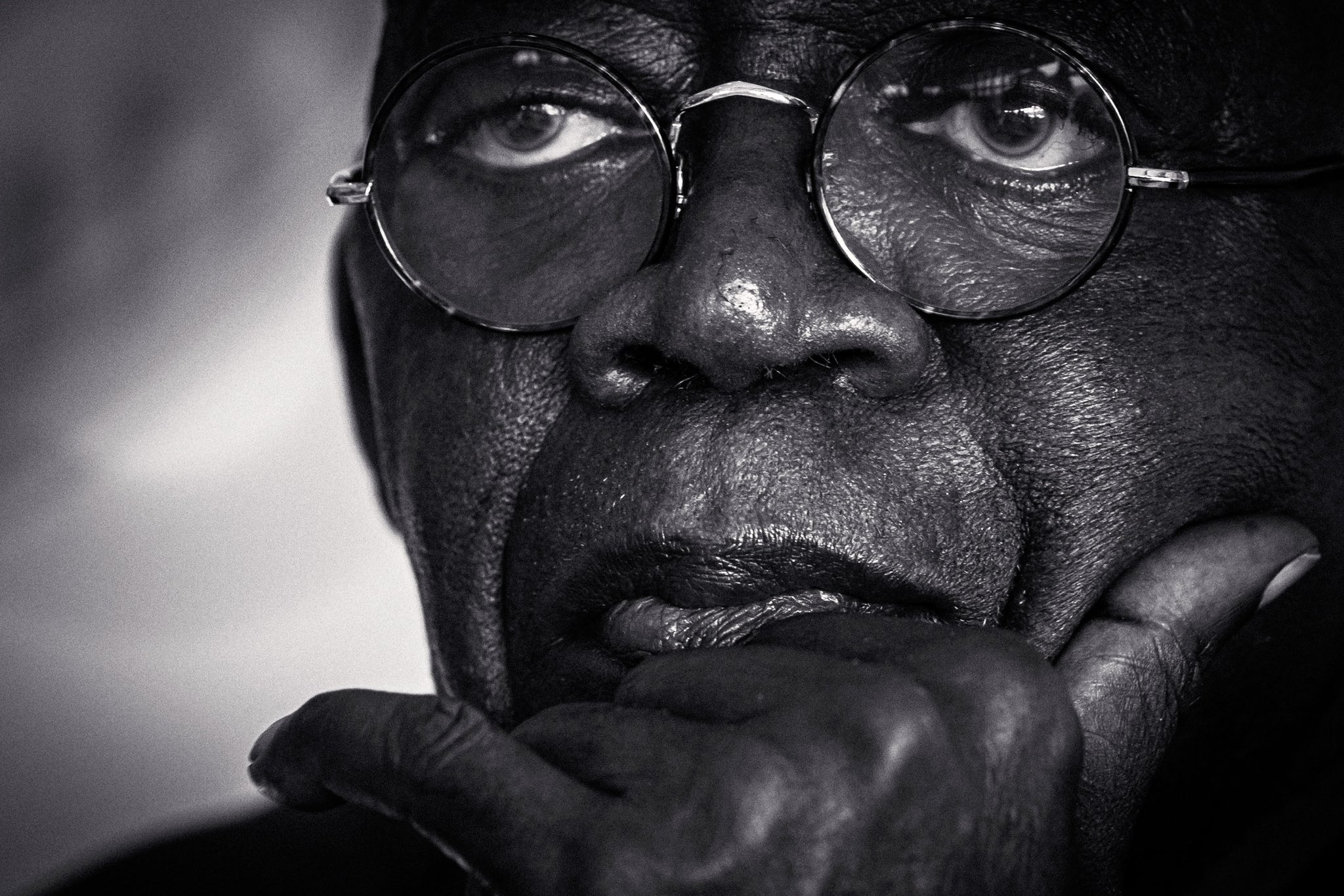
A Washington lobbying firm says the FBI has identified 399 pages of records relating to Nigerian President Bola Tinubu in a long-running United States Freedom of Information Act case tied to a 1990s heroin-trafficking investigation.
Von Batten-Montague-York, L.C., which is retained by former vice-president Atiku Abubakar, posted on Saturday night that the FBI and the Drug Enforcement Administration had made new filings in the United States District Court for the District of Columbia. The firm said an FBI search responsive to requests about Tinubu had produced 399 pages.
According to the firm, those records include material connected with laboratory testing of heroin residue, controlled purchases by a cooperating witness, confidential informants, federal grand-jury activity, prosecutorial reports and meetings, surveillance, undercover operations, financial seizures, bank-account seizure warrants, Internal Revenue Service criminal-investigation papers and international investigative co-ordination.
“This case was never about a civil forfeiture case,” the firm wrote. “The long speculation about whether serious law-enforcement records concerning President Tinubu exist is over. They do exist.” It asked what the 399 pages contained that Tinubu “does not want the American and Nigerian people to see.”
The claims arise from FOIA litigation brought by American transparency campaigner Aaron Greenspan. Between 2022 and 2023 he sought records from the FBI, DEA, IRS and other agencies concerning a Chicago-based heroin network investigated in the late 1980s and early 1990s. Tinubu was among those named in the requests.
In 1993 the United States District Court for the Northern District of Illinois ordered the forfeiture of $460,000 held in an account in Tinubu’s name. Court papers and an IRS affidavit alleged that funds in accounts he controlled were proceeds of, or involved in, money-laundering linked to a heroin-distribution organisation associated with Adegboyega Mueez Akande and Abiodun Agbele. Tinubu was not charged with a criminal offence. He has described the episode as a civil settlement and has cited privacy rights in opposing fuller public release of later investigative files.
Judge Beryl Howell ruled in 2025 that the FBI and DEA could not rely on a blanket “Glomar” refusal to confirm or deny the existence of records about Tinubu, because the Department of Justice had already acknowledged investigative involvement. She ordered the agencies to search for and process non-exempt material. Production has been slow. In late August 2026 the FBI submitted records under seal for the judge’s private, in-camera review after missing earlier deadlines. Tinubu, who has intervened in the case, has asked the court to uphold redactions and withholdings, arguing that the requests are aimed at influencing Nigerian politics rather than illuminating United States government conduct.
The 399-page figure and the detailed list of investigative techniques originate with the lobbying firm’s social-media posts rather than a public court docket entry visible in contemporaneous reporting. The firm has circulated historical Department of Justice forfeiture papers and a chronology to members of the Trump administration and Congress. Nigerian outlets have reported the FBI’s sealed submission to Judge Howell but have not independently confirmed the page count or the full contents of the withheld files.
Tinubu’s lawyers and the agencies have invoked FOIA exemptions covering personal privacy, law-enforcement techniques, confidential sources and the physical safety of individuals. The FBI has told the court that public explanation of some withholdings could endanger lives or reveal investigative methods. The judge has yet to rule on how much, if any, of the remaining material must be released.
by James John