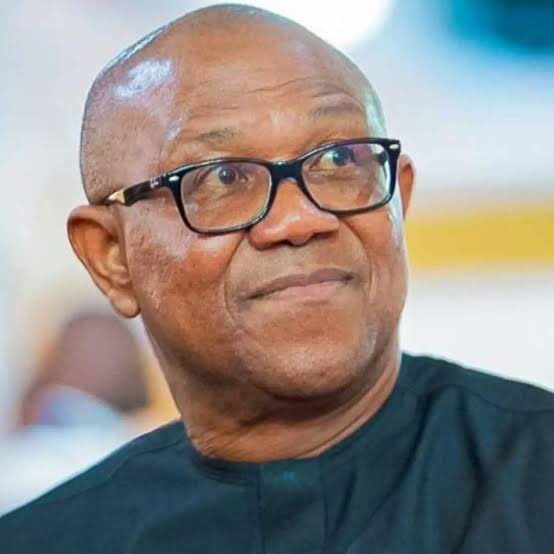
Former Anambra State governor and 2023 presidential candidate Peter Obi has spoken candidly about the personal toll of Nigerian politics, announcing his departure from the African Democratic Congress (ADC) while insisting the move was not caused by any personal rift with party leaders.
In a lengthy post on X on Sunday morning, shortly after attending church, Mr Obi addressed fellow Nigerians with a reflective message, describing the “silent pains”, emotional burdens and “quiet battles” faced by those seeking to serve sincerely in difficult circumstances.
He painted a picture of an increasingly toxic environment in which the very system meant to protect citizens often works against them. “Intimidation, insecurity, endless scrutiny, and discouragement have become normal,” he wrote, adding that even some public associates privately distance themselves or join in unfair criticism.
Mr Obi lamented a society in which humility is mistaken for weakness, respect is viewed as a lack of courage, and compassion is treated as foolishness. “I have never looked down on anyone except to uplift them,” he stated. “I have never used privilege, position, or resources to oppress others, intimidate the weak, or make people feel small. To me, leadership has always been about service, sacrifice, and helping others rise.”
He was at pains to stress that his decision to leave the ADC was not prompted by any ill-treatment from its highly respected chairman, Senator David Mark, or from his “leader and elder brother”, Alhaji Atiku Abubakar. “I will continue to respect them,” he said.
Instead, Mr Obi pointed to what he described as the same disruptive forces that had previously forced him out of the Labour Party now appearing in the ADC. “Endless court cases, internal battles, suspicion, and division” had replaced a focus on the nation’s deeper problems, he argued, with politics built more on “control and exclusion than on service and nation-building”.
He added that those who labour sincerely are sometimes made to feel like outsiders in their own political home, becoming easy targets for every failure or misunderstanding. Even after stepping aside to give others peace, he said, his character continued to be maligned.
Mr Obi posed a series of pointed questions: why is doing the right thing often misconstrued as wrongdoing? Why is integrity not valued? Why is prudent management of resources — especially in education and healthcare — wrongly labelled as stinginess? And why are humility and obedience to the rule of law taken to be weakness rather than discipline?
Nevertheless, he insisted he was “not desperate to be President, Vice President, or Senate President”. His true desperation, he said, was for a Nigeria that consoles a mother whose child has been kidnapped or killed, where citizens do not live in internally displaced persons (IDP) camps, and where no one goes to bed hungry not knowing where their next meal will come from.
Despite the pressures, Mr Obi ended on a note of resolve. “I firmly believe that Nigeria can still become a country with competent leadership based on justice, compassion, and equal opportunity for all,” he wrote.
The statement comes amid wider political realignments in Nigeria and follows Mr Obi’s earlier departure from the Labour Party over similar internal difficulties.
- Religious Bigotry on Full Display: Sheikh Sani Yahaya Jingir’s “Infidels” Rant in Kano Must Be Condemned and Investigated by the DSS
- Paul Biya’s prolonged absence from Cameroon fuels power vacuum fears
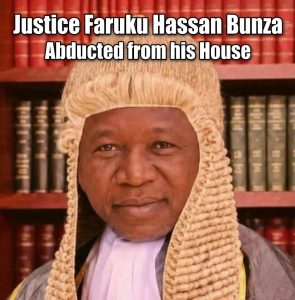
- Bandits abduct Kebbi High Court judge, Justice Faruku Hassan Bunza
- ICC Chief Prosecutor Karim Khan Removed in Historic Vote
- US House backs measure targeting Nigeria over Christian persecution as Ted Cruz hails defeat of Abuja’s PR drive