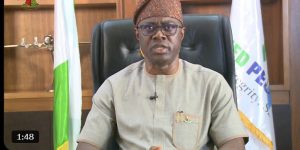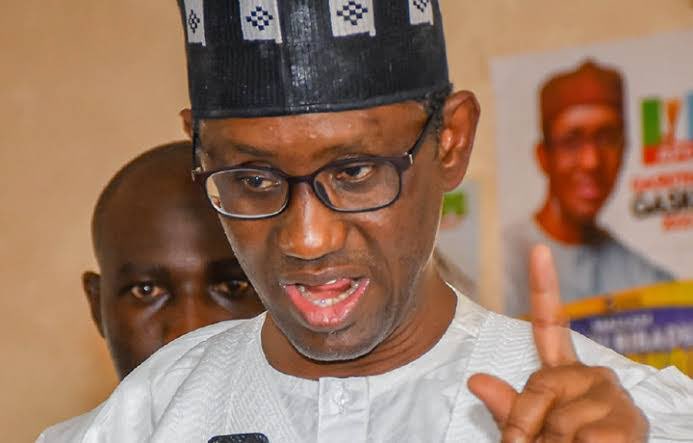
Abuja, 29 November 2025 – The appointment of Malam Nuhu Ribadu, Nigeria’s National Security Adviser and a Fulani himself, to head the federal government’s delegation in forthcoming talks with the United States over the ongoing killings and insecurity in parts of the country has triggered fresh controversy following the re-emergence of remarks he made in 2018 defending nomadic Fulani herders.
Speaking at a two-day National Summit on Conflict Resolution organised by The Nation newspaper and TV Continental (TVC) in Abuja on 8–9 October 2018, Mr Ribadu argued that the persistent clashes between farmers and herders stemmed largely from the systemic marginalisation and exclusion of nomadic Fulani communities.
“You can hardly see any nomadic Fulani man that is part of state assembly or the National Assembly and they form about 15 to 20 million of the population and they are marginalised. They are not in any way benefiting from what is happening in the country today,” he told the summit.
Mr Ribadu went further, claiming that many Fulani felt abandoned even by then-President Muhammadu Buhari, a fellow Fulani, whom they accused of paying more attention to victims in states such as Benue and Plateau than to their own grievances.
“President Buhari has nothing to do with what is going on. In fact, the Fulani are even angry with him because they think he has abandoned them. They think he is listening to the others and that he gives audience to the people from Benue, Plateau and never gave them audience,” he said.
He described the federal government’s only notable intervention as the nomadic education programme, which he dismissed as wholly inadequate, and called for genuine political and social integration of the nomadic population. Mr Ribadu framed the herders’ constant movement not as aggression but as a search for dignity in the face of exclusion.
The remarks have resurfaced at a particularly sensitive moment, as Mr Ribadu – who hails from Adamawa State and identifies as Fulani – prepares to lead Nigeria’s team in high-level discussions with American officials on the escalating violence, much of which has been linked in security reports and public discourse to armed Fulani militia groups.
Critics have pointed to the 2018 comments as evidence that the National Security Adviser once appeared to downplay or contextualise the actions of groups widely accused of carrying out deadly attacks on farming communities across the Middle Belt and southern states.
Supporters of Mr Ribadu, however, insist that his intervention at the 2018 summit was an attempt at balanced conflict resolution, highlighting root causes rather than excusing criminality.
The Nigerian government has yet to comment officially on the resurfaced statements as the delegation prepares for the talks with the United States.
Latest Posts
- Religious Bigotry on Full Display: Sheikh Sani Yahaya Jingir’s “Infidels” Rant in Kano Must Be Condemned and Investigated by the DSS
- Paul Biya’s prolonged absence from Cameroon fuels power vacuum fears
- Bandits abduct Kebbi High Court judge, Justice Faruku Hassan Bunza
- ICC Chief Prosecutor Karim Khan Removed in Historic Vote
- US House backs measure targeting Nigeria over Christian persecution as Ted Cruz hails defeat of Abuja’s PR drive