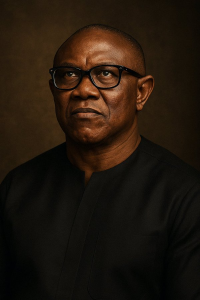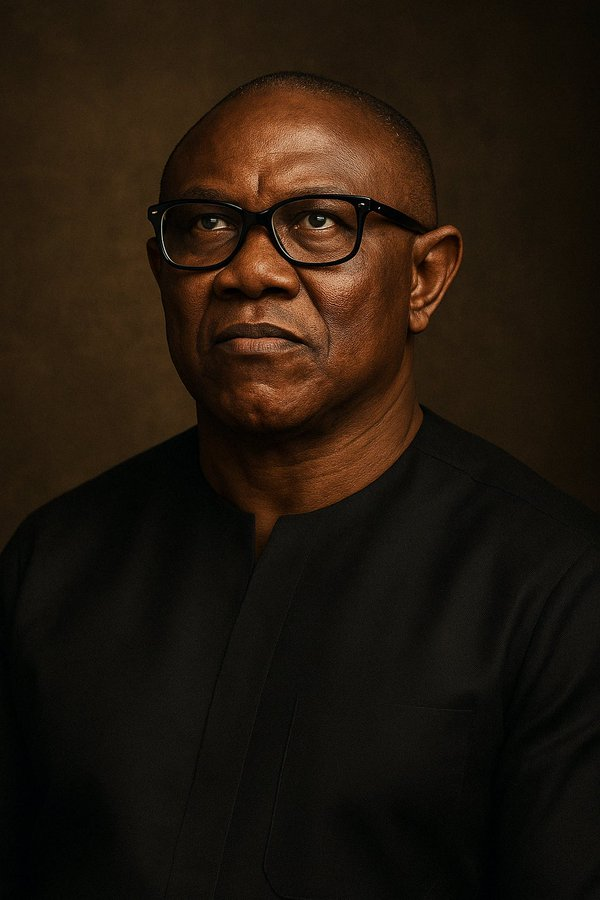
Lagos, Nigeria – 6 October 2025 – Former Nigerian presidential candidate Peter Obi has launched a scathing critique of the country’s electoral system, accusing it of normalising criminal acts such as certificate forgery. In a detailed post on X (formerly Twitter), Obi highlighted the disparity between Nigeria’s handling of such offences and international standards, drawing from his recent visit to Indonesia.
Obi, who contested the 2023 presidential election as the Labour Party candidate, argued that Nigeria has become a “crime scene” where dishonesty among leaders undermines societal values. “Whenever I talk about Nigeria being a crime scene, those who are part of the criminality and their hirelings will quickly start their noise-making, attacking and blackmailing me,” he wrote. He emphasised the detrimental impact on young Nigerians, questioning how they can be encouraged to uphold honesty when role models in positions of power are embroiled in deceit.
The post referenced Obi’s interactions during a trip to Indonesia earlier this year, where he met with government officials, including the Chairman of the General Elections Commission. Obi recounted asking about the consequences of forging educational qualifications for public office. The chairman reportedly responded with shock, stating that such actions lead to “immediate disqualification and prosecution” as they constitute a criminal offence. “If someone can forge a certificate, how can that person be trusted to lead others?” the official was quoted as saying.
In contrast, Obi lambasted Nigeria’s Independent National Electoral Commission (INEC) for failing to scrutinise certificates adequately before elections. He claimed that complaints of forgery are overlooked, and post-election challenges are dismissed by courts as “pre-election matters” without proper punishment. “INEC, even after the elections, does not bother to revisit or investigate these serious offences before the next election,” Obi added. He further expressed concern over how such individuals evade security, parliamentary, and governmental checks, and noted the “double tragedy” of them swearing affidavits attesting to the authenticity of falsified documents.
Obi’s comments appear to allude to ongoing controversies surrounding certificate authenticity in Nigerian politics, including disputes from the 2023 elections. While he did not name specific individuals, his remarks echo previous legal battles over educational qualifications of high-profile candidates.
Looking ahead to the 2027 general elections, Obi proposed sweeping reforms to the electoral process. He urged INEC to investigate past forgery complaints and amend laws to require all candidates—incumbents and newcomers—to submit academic certificates at least six months before elections, following party primaries. These documents, including details of schools attended, courses studied, and years of attendance, should be made public for verification within 90 days. Obi extended this call to appointed officials, ministers, and aides, warning that “when dishonesty starts from the top, it spreads to every level of governance.”
He concluded by stressing the need for a holistic approach: “We must deal with certificate forgery holistically with the seriousness and level of criminality it deserves. Criminal offences should not be dismissed as a mere procedural matter. We must end the era where forgery and deceit are rewarded with power. True leadership must begin with truth.”
The post, shared nine hours ago, has sparked widespread discussion on social media, with supporters praising Obi’s push for transparency and critics accusing him of politicising the issue. As Nigeria grapples with governance challenges, including corruption and electoral integrity, Obi’s intervention adds pressure on INEC and lawmakers to address these systemic flaws ahead of the next polls.