Abuja, Nigeria – 9 March 2026
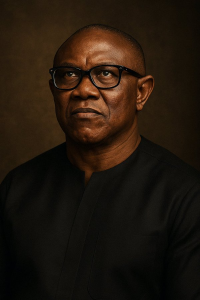
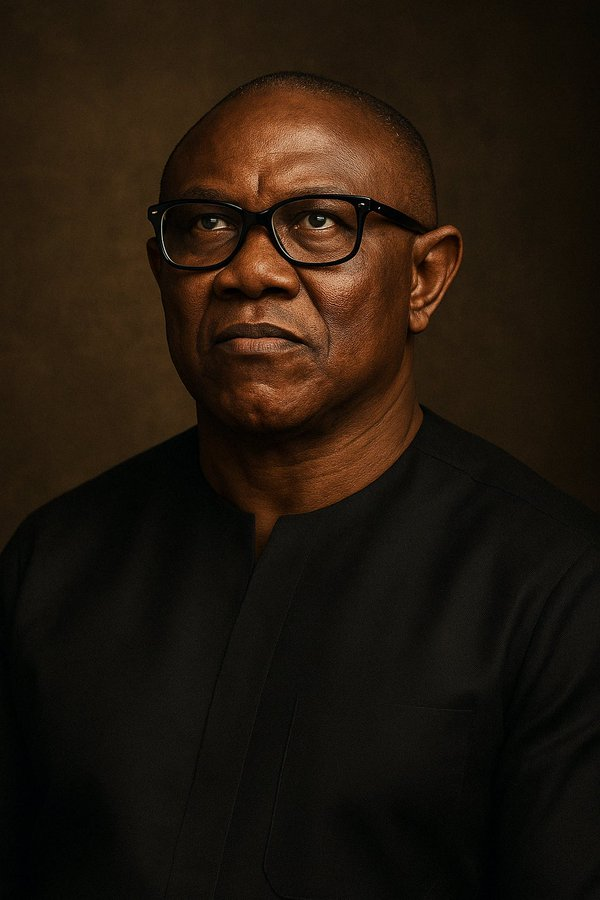
Former Nigerian presidential candidate Peter Obi has raised alarm over what he describes as an “unbearable” wave of insecurity sweeping across the nation, with terrorists and criminals targeting communities, farms, and even the capital city. In a strongly worded statement on social media, Obi highlighted a series of violent incidents this week alone, accusing the government of prioritising electoral politics over the safety of citizens.
“Our nation is clearly under siege,” Obi wrote, emphasising that the scale of violence is becoming intolerable. He pointed to attacks in multiple states, where soldiers and civilians have been killed, and scores of people— including women and children— have been abducted. Obi lamented the government’s “dead silence” in response, suggesting that Nigerian lives “no longer matter” to those in power.
The concerns come against a backdrop of escalating violence in early 2026, with reports indicating over 1,000 deaths and thousands of abductions in the first two months of the year alone. Obi’s statement echoes broader calls for accountability, as insecurity disrupts economic activities and forces mass displacement.
In Borno State’s Ngoshe community, suspected ISWAP militants launched a deadly assault on the night of 4 March, overpowering soldiers and targeting civilians. At least 10 people were killed, including soldiers and the local Chief Imam, while scores of women and children were abducted. Homes and shops were destroyed, and a nearby military base was attacked. Nigerian Air Force strikes reportedly neutralised over 50 fleeing terrorists, but hundreds remain missing, according to local accounts. Obi expressed sorrow over the “sacrifice of our brave and dedicated soldiers” being “passed in silence,” calling for dignified burials and national honours for fallen heroes.
Further south, residents in Nasarawa, Kogi, and Benue states are reporting terrorists infiltrating farms and forests, leading to widespread fear and displacement. In Nasarawa’s Kadarko area, 14,318 civilians have been registered as internally displaced persons (IDPs) due to ongoing threats. Entire villages are fleeing, with economic activities grinding to a halt. Benue State has seen a surge in incidents, including homicides, kidnappings, and terrorism, with 30 people killed in attacks on neighbouring towns in recent weeks. Kogi has faced highway ambushes and farm raids, with gunmen abducting travellers and deepening the region’s crime crisis.
The violence has extended to southwestern states. In Oyo State, travellers were abducted along the Kishi-Igbeti road in the dead of night, their fates unknown. Ondo State reported criminals shooting, wounding, and abducting innocent citizens, contributing to at least 40 lives lost and further abductions in the region last week. In Kebbi State, terrorists have carried out multiple deadly attacks this month, killing officers and civilians in a rampage that marks the third such incident.
Even the nation’s capital is not spared. In Kubwa, Abuja, about 19 citizens—including women and children—were abducted from their homes this week, underscoring that insecurity is “no longer distant but now a norm,” as Obi put it.
These incidents reflect a broader pattern of terror that Obi argues demands immediate action. “The primary responsibility of any government is to secure the lives and property of its citizens,” he stated. Yet, he criticised leaders for being “devastatingly more preoccupied with how to snatch, grab, and run away with the next election.”
Obi’s comments align with his previous statements on insecurity, where he has called for better-equipped policing at federal, state, and community levels. Analysts note that moves for state police are intensifying amid the crisis, though implementation remains uncertain.
As Nigeria grapples with these “national tragedies,” Obi urged a renewed commitment to security, dignity, and hope. “These are not just news items,” he concluded. “Nigerians deserve commitment and leadership that puts their safety and welfare first.”
The federal government has yet to respond to Obi’s remarks. Security experts warn that without urgent intervention, the cycle of violence could further destabilise the country, exacerbating food insecurity and displacement.
- Peter Obi Decries Widespread Insecurity in Nigeria Amid Government Silence
- Israel and United States Launch Coordinated Strikes on Iran
- Nigerian Lawyer Abdul Mahmud Remanded in Prison After Bail Revocation
- Tinubu Appoints Tunji Disu as Acting Inspector General of Police Amid Accusations of Tribal Nepotism
- US Congress presents joint report to White House on ending persecution of Christians in Nigeria